High-performing teams don’t just happen. They’re built with intention, nurtured through consistent practices, and sustained by a culture that values both results and people. In today’s workplace, where hybrid models and rapid change are the norm, the ability to build and maintain high-performing teams has become a competitive advantage.
But what exactly makes a team high-performing? It’s more than hitting targets or working long hours. High-performing teams combine strong execution with genuine collaboration. They’re groups where trust runs deep, communication flows naturally, and every member understands how their work connects to something bigger. These teams adapt quickly, learn continuously, and support each other through challenges.
The impact shows up everywhere. Organisations with high-performing teams see stronger innovation, better employee retention, and more consistent results. Individuals on these teams report higher employee engagement and job satisfaction. When teams function well, the benefits ripple outward to customers, to stakeholders, and to the organisation’s bottom line. The question isn’t whether high-performing teams matter. It’s how to build them intentionally and sustain them over time.
How to Build a High-Performing Team
Shared Purpose and Clear Goals
When everyone knows why the team exists and where it’s heading, work becomes more than tasks on a list. High-performing teams anchor themselves in a clear purpose that connects daily activities to organisational priorities. Goals aren’t vague aspirations. They’re specific, measurable, and tied directly to what matters most.
This clarity transforms engagement. People want to know their work has meaning and impact. When team goals align with broader company objectives, individuals can see exactly how their contributions move things forward. Instead of wondering “why am I doing this?”, team members understand the direct line between their effort and the team’s success.
Clear goals also prevent wasted energy. Teams stop debating priorities or duplicating work because everyone’s aligned on what success looks like. Regular check-ins keep goals visible and relevant, allowing teams to adjust as conditions change without losing sight of their core purpose.
Defined Roles and Responsibilities
Confusion about who does what creates friction. High-performing teams eliminate this by defining roles clearly from the start. When responsibilities are well-documented and understood, accountability becomes straightforward. People know what they own, what others own, and where collaboration is needed.
Role clarity doesn’t mean rigidity. The best teams define roles broadly enough to allow flexibility but specifically enough to prevent overlap and gaps. Someone might own customer communications, another focuses on data analysis, and a third drives project coordination. Each person knows their domain and trusts others to handle theirs.
This structure speeds up execution. Decisions get made faster because it’s clear who has the authority to make them. Handoffs between team members become smooth because everyone knows when and how to pass work along. When problems arise, teams can quickly identify who needs to step in without lengthy discussions about ownership.
Effective Communication and Feedback Culture
Great teams talk. Not in endless meetings, but through clear, purposeful communication that keeps everyone informed and aligned. They establish norms about which channels to use for different types of information. Quick updates go in chat, deeper discussions happen in scheduled meetings, and formal decisions get documented where everyone can find them.
Feedback is where communication becomes powerful. In high-performing teams, feedback isn’t an annual event or something reserved for problems. It flows both ways, regularly and respectfully. Team members share what’s working and what could improve. Leaders listen as much as they speak. This creates a loop where the team continuously refines how it works together.
Two-way feedback builds trust. When people know they can voice concerns or suggest improvements without negative consequences, they bring their full thinking to the table. Teams that embrace this openness catch problems early, adapt faster, and innovate more freely. The conversation itself becomes a tool for growth.
Also read: How to Motivate Employees: A Practical Guide for HR Leaders
Trust, Psychological Safety, and Mutual Accountability
Trust forms the foundation. Without it, teams can’t take the risks that lead to innovation or have the honest conversations that drive improvement. Psychological safety, which means believing you won’t be punished for speaking up or making mistakes, allows teams to operate at their best. People share half-formed ideas, admit when they’re stuck, and challenge each other constructively.
This safety doesn’t mean lowering standards. High-performing teams pair psychological safety with mutual accountability. Team members support each other and also hold each other to shared commitments. When someone struggles, the team steps in to help. When someone isn’t pulling their weight, peers address it directly and respectfully.
Mutual accountability creates a powerful dynamic. Nobody wants to let the team down, so people push themselves harder than they would for individual goals alone. At the same time, the support network means people aren’t afraid to ask for help or admit they need more resources. The team’s success becomes everyone’s responsibility.
Recognition and Celebration
Recognition drives engagement more powerfully than ratings or pay. When team members feel genuinely appreciated for their contributions, motivation deepens. High-performing teams understand this and make recognition a regular practice, not a once-a-year formality.
Celebrating wins together strengthens team culture. It reinforces the behaviours and outcomes you want to see more of. When someone goes above and beyond to help a teammate, acknowledging it publicly signals that collaboration matters. When the team hits a major milestone, pausing to celebrate reminds everyone why the hard work was worth it.
Meaningful recognition takes many forms. Sometimes it’s a public shout-out in a team meeting. Other times it’s a private thank-you that acknowledges someone’s specific contribution. Some teams create their own traditions: team lunches after big launches, peer-nominated awards, or simple messages of appreciation in shared channels. What matters most is that recognition is genuine, specific, and connected to the team’s purpose. When people feel seen and valued, they bring more of themselves to the work.
Continuous Learning and Growth
High-performing teams never stand still. They’re curious about what’s working and what isn’t. They treat mistakes as learning opportunities rather than failures. This growth mindset keeps teams sharp and resilient, especially when facing change or setbacks.
Learning happens formally and informally. Teams might conduct retrospectives after projects to capture lessons. They might share articles, attend training together, or invite experts to speak. But just as importantly, they learn daily through experimentation. They try new approaches, gather feedback, and iterate based on what they discover.
Adaptability becomes second nature when learning is embedded in the team’s rhythm. Markets shift, technologies evolve, and customer needs change. Teams that prioritise continuous improvement respond to these shifts faster and more confidently. They don’t wait for perfect information or detailed plans. They test, learn, adjust, and move forward with increasing sophistication over time.
Balancing Short-Term Wins with Long-Term Growth
Delivering today’s results whilst building tomorrow’s capabilities requires deliberate balance. High-performing teams excel at both. They execute current priorities effectively whilst investing in the skills, relationships, and systems that ensure future success.
This balance shows up in how teams approach development. Yes, there are deadlines to meet and targets to hit. But the team also makes time for skill-building, knowledge sharing, and strategic thinking. Career pathing becomes part of team planning, not as a separate HR exercise, but as an integral part of how the team sustains itself over time.
Short-term wins create momentum and prove the team can deliver. Long-term investments ensure the team doesn’t burn out or become obsolete. The best teams weave both into their operating rhythm, celebrating immediate successes whilst also tracking progress on capabilities that will matter months or years from now.
Leadership’s Role in Building High-Performing Teams
Leaders don’t create high-performing teams by directive. They create the conditions where teams can thrive. This means identifying individual strengths and positioning people where they’ll excel. It means removing obstacles that slow the team down. It means modelling the behaviours (openness, accountability, recognition) that you want to see throughout the team.
Great team leaders coach more than they command. They ask questions that help the team discover solutions rather than always providing answers. They facilitate collaboration by connecting people with complementary skills. They protect the team from unnecessary distractions so members can focus on high-impact work.
Culture flows from leadership actions, not stated values. When leaders regularly recognise contributions, the team follows. When leaders admit mistakes and ask for feedback, psychological safety deepens. When leaders balance short-term demands with investment in growth, the team learns to do the same. Leadership isn’t about being the smartest person in the room. It’s about making the team collectively smarter and stronger.
Also read: Employee Recognition Best Practices for Creating a Culture of Appreciation
Practical Framework and Action Steps
Building high-performing teams requires more than good intentions. It needs practical tools and consistent practices that keep teams aligned and engaged. The good news? You don’t need complex systems or massive budgets to get started.
Goals and alignment check-ins keep everyone moving in the same direction. Regular team meetings (weekly or fortnightly) create space to review progress, surface challenges, and adjust priorities. These don’t need to be lengthy. A focused 30-minute check-in where each person shares their top priorities and blockers can work wonders. The key is consistency and ensuring goals remain visible and relevant.
Role clarity documents eliminate confusion before it starts. A simple one-pager per role that outlines key responsibilities, decision-making authority, and how that role connects to others can prevent countless misunderstandings. Update these as the team evolves, but having them documented gives everyone a reference point when questions arise.
Regular feedback circles normalise continuous improvement. Rather than waiting for formal reviews, build feedback into your team’s routine. This might be a monthly retrospective where the team reflects on what went well and what could improve, or peer feedback sessions where team members share specific observations about each other’s contributions. The format matters less than the frequency and psychological safety to speak honestly.
Milestone celebrations mark progress and build team cohesion. When the team hits a significant goal, take time to acknowledge it together. This doesn’t require elaborate events. Sometimes sharing successes in a team meeting or sending a round of digital recognition is enough. What matters is pausing to appreciate the effort and reinforcing the behaviours that led to success.
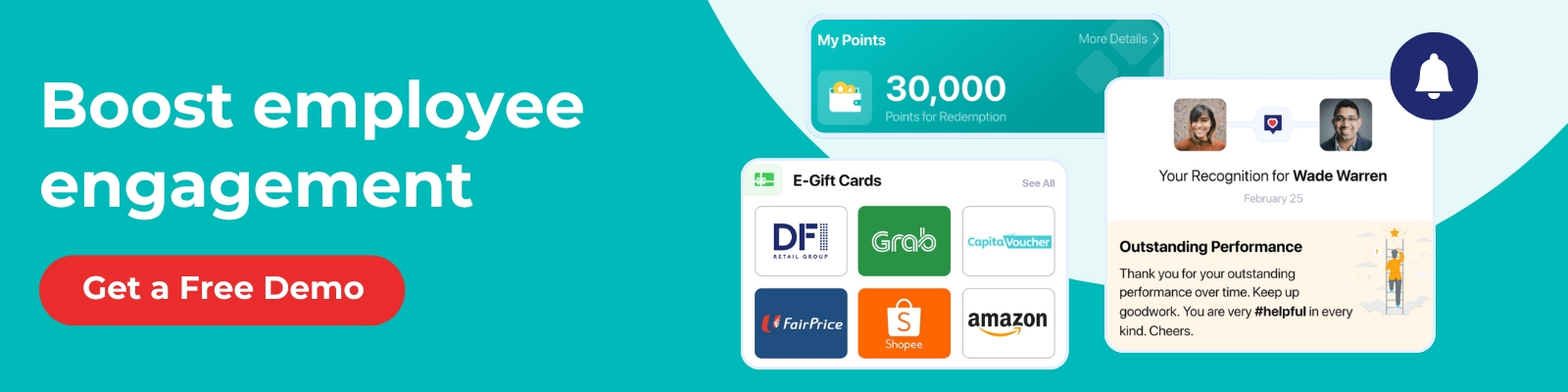
Recognition ladders create structure around appreciation. Define what different types of contributions look like (from everyday support to exceptional achievement) and make it easy for team members to recognise each other. Digital platforms like CERRA Applause simplify this by letting teams award badges for specific behaviours, give peer-to-peer recognition, and track how appreciation flows through the team. When recognition becomes systematic rather than ad-hoc, it happens more often and reaches more people.
These tools work best when tailored to your team’s specific needs. Start with one or two that address your biggest gaps, then build from there. The goal isn’t perfection. It’s creating consistent practices that strengthen team performance over time.
Start a Recognition Culture for High-Performing Teams
High-performing teams deliver results that transform organisations. They innovate faster, retain talent better, and create cultures where people genuinely want to contribute. But sustaining this performance requires more than initial effort. It needs ongoing investment in the practices and relationships that keep teams strong.
Recognition sits at the heart of this sustainability. When team members feel valued for their contributions, engagement deepens. When wins get celebrated, desired behaviours multiply. When appreciation flows regularly, trust and psychological safety grow stronger. Recognition isn’t a nice-to-have. It’s a catalyst that accelerates every other element of team performance.
Many teams struggle with recognition because they lack simple, consistent ways to make it happen. Good intentions fade when there’s no system to support them. This is where tools like CERRA Applause become valuable. By making recognition easy, visible, and connected to team goals, you create the consistent culture of appreciation that high-performing teams need.
Building a high-performing team takes commitment, but the returns (in results, engagement, and culture) make it worth every effort. Start small, stay consistent, and watch your team’s performance transform.