The way organisations think about their people has changed fundamentally. Where HR once focused primarily on processes, contracts, compliance, performance reviews, forward-thinking businesses now recognise that how employees feel at work is just as important as what they deliver. Employee experience has moved from a nice-to-have concept to a genuine strategic priority.
This shift reflects a broader understanding: when people have positive, consistent experiences at work, they’re more engaged, more productive, and far more likely to stay. The organisations that understand this aren’t just better employers. They outperform their competitors too.
What Is Employee Experience?
Definition
Employee experience is the sum of every interaction an employee has with an organisation, from the moment they first hear about a role, to the day they leave and beyond. It’s shaped by the culture they work in, the tools they use, the relationships they build, and how valued they feel day to day.
Think of it less as a single initiative and more as an ecosystem. Every touchpoint contributes to how employees perceive their employer, and whether they choose to stay, grow, and give their best.
The Employee Lifecycle
That ecosystem spans the full employee lifecycle. It starts with attraction and recruitment. First impressions matter, and a clunky application process or unclear employer brand can lose great candidates before they’ve even applied. Onboarding sets the tone for everything that follows; research consistently shows that employees who have a structured onboarding experience are significantly more likely to stay beyond their first year.
From there, daily work experience becomes the rhythm of engagement: the meetings, the tools, the relationships, the small moments of friction or flow. Performance and development conversations shape whether people feel they’re growing or stagnating. Recognition and rewards signal whether contributions are seen and valued. And even at the exit stage, how an organisation handles departures and whether it stays connected with alumni says a great deal about its culture.
Employee Experience vs Employee Engagement
It’s worth distinguishing between the two, because they’re often conflated. Employee experience is the broader environment, the conditions an organisation creates. Employee engagement is what happens when those conditions are right: people who are motivated, committed, and emotionally invested in their work. In short, engagement is an outcome, and experience is what drives it.
Why Employee Experience Matters
Employee experience directly influences how people think, feel, and perform at work. Employees who feel genuinely supported by their managers, empowered by their culture, and equipped with the right tools bring more energy and intention to what they do. People naturally perform better when they feel valued and positive about where they work, which strengthens overall engagement and motivation; Gallup research shows highly engaged business units achieve 14% higher productivity.
Retention Impact
A strong employee experience plays a critical role in retention. When recognition is lacking or growth opportunities feel limited, employees begin to explore other options, and the true cost of turnover can quickly become significant; research finds highly engaged units have 51% lower turnover in low-turnover organizations and 21% less in high-turnover ones. Investing in a consistently positive employee experience is one of the most cost-effective long-term retention strategies available.
Business Performance Link
There is a clear connection between employee experience and business performance. Research has consistently shown that highly engaged teams are more productive and profitable than disengaged ones. Meta-analyses of workplace performance data indicate that organisations in the top quartile for engagement can see up to 23% higher profitability. The link between experience, engagement, and results is measurable and evidence-based.
Customer Outcomes
Ultimately, employee experience also affects customers. Employees who feel appreciated and motivated are more likely to deliver positive interactions and stronger service. Workplace research shows that highly engaged teams can achieve up to 10% higher customer loyalty compared to less engaged counterparts. Investing in employee experience is a business strategy with tangible returns.
Core Elements of a Strong Employee Experience
Organisational Culture
Culture isn’t a values statement on a wall; it’s how people actually behave when no one’s watching. Trust, fairness, and transparency form the foundation of a culture where people feel safe to contribute, raise concerns, and be themselves. Belonging matters too: employees who feel included are more engaged, more innovative, and more likely to stay.
Leadership and Communication
Managers have an outsized influence on employee experience. Clear direction, honest feedback, and genuine two-way communication can make the difference between a team that thrives and one that quietly disengages. People don’t leave companies; they leave managers. That’s as true now as it’s ever been.
Career Growth and Development
Ambition needs somewhere to go. Without clear learning opportunities or visible progression pathways, even highly motivated employees begin to feel stuck. Development doesn’t have to mean promotions; it can mean stretch projects, mentoring, new skills, or lateral moves that broaden someone’s experience
Recognition and Appreciation
Regular acknowledgement of contributions, from managers and peers alike, has a profound effect on how employees feel about their work. It doesn’t have to be elaborate. Recognising effort in the moment, celebrating milestones, and making appreciation a consistent habit rather than an annual event builds a culture where people feel genuinely seen.
Also read: Employee Recognition Budget: How to Plan and Maximise Every Dollar
Workplace Tools and Technology
Frustration with clunky systems erodes experience quietly but persistently. When technology is intuitive and fit for purpose, it frees people to focus on meaningful work. When it’s not, it becomes a daily source of friction. The digital experience is a bigger factor in overall employee experience than many organisations realise.
How to Improve Employee Experience
Improving employee experience requires more than one-off initiatives or surface-level perks. It demands a deliberate, structured approach that looks at the entire employee journey and the daily realities of work. The goal is not perfection at every touchpoint, but meaningful progress in the moments that matter most.
Gather Employee Feedback and Insights
You cannot improve what you do not understand. Regular feedback, whether through pulse surveys, listening sessions, focus groups, or structured one-on-one check-ins, provides essential insight into how employees are truly experiencing the organisation. These feedback channels help uncover both strengths and friction points across teams, functions, and levels. However, collecting data is only the first step. The real impact comes from acting on what is heard. When employees see visible follow-through on their feedback, trust grows and participation increases. When feedback disappears into a black box, engagement declines. Closing the loop, communicating changes, and explaining decisions are just as important as gathering insights in the first place.
Map Key Touchpoints Across the Lifecycle
Not all moments in the employee journey carry equal weight. Mapping the full lifecycle, from recruitment and onboarding to development, promotion, and exit, helps organisations identify the experiences that shape long-term perception. Early-stage experiences such as onboarding and the first 90 days often set the tone for engagement. Performance reviews, career conversations, and internal mobility opportunities also carry significant influence. By identifying where experience consistently dips or excels, leaders can prioritise resources and interventions more effectively. A clear journey map transforms employee experience from an abstract concept into a series of tangible, improvable moments.
Empower Managers to Shape Daily Experiences
Managers are the most direct and influential lever for improving employee experience at scale. They shape how expectations are communicated, how feedback is delivered, and how recognition is expressed. Investing in manager capability through training, clear performance standards, and ongoing support creates ripple effects across entire teams. A strong manager does more than oversee tasks; they foster psychological safety, provide meaningful feedback, and ensure that contributions are acknowledged. When managers are equipped to lead with empathy and clarity, everyday interactions become positive reinforcements rather than sources of friction.
Implement Scalable Recognition Programmes
Ad hoc recognition can be powerful, but it lacks consistency. Structured recognition programmes create repeatable systems that make appreciation part of everyday culture rather than an occasional gesture. When recognition is easy to give and visible across the organisation, it reinforces shared values and desired behaviours. Scalability is equally important. Programmes must function seamlessly across departments, geographies, and job roles while still feeling personal and authentic. A well-designed recognition platform ensures that appreciation is not dependent on individual manager habits but embedded into the organisational rhythm.
Invest in Employee Well-Being
Employee experience extends beyond productivity and performance metrics. Physical, mental, and emotional employee well-being significantly influence how they feel about their work and their organisation. Supporting well-being can include flexible work arrangements, manageable workloads, access to wellness resources, and encouraging healthy boundaries between work and personal life. It also means fostering a culture where employees feel safe to speak up about stress or burnout without stigma. When well-being is prioritised, employees are more resilient, focused, and engaged. Over time, this not only reduces absenteeism and burnout but also strengthens morale and loyalty.
Also read: How to Build Employee Wellbeing: Practical Steps and Real Examples
Use Data and Analytics to Continuously Optimise
Employee experience is dynamic. What resonates today may not have the same impact tomorrow. Tracking engagement trends, recognition activity, feedback themes, and retention data enables organisations to refine their approach over time. Analytics reveal patterns that might otherwise go unnoticed and support more informed decision-making. By treating employee experience as an evolving strategy supported by measurable insights, organisations can adapt proactively and maintain relevance as workforce expectations shift.
Enhancing Employee Experience with CERRA Applause
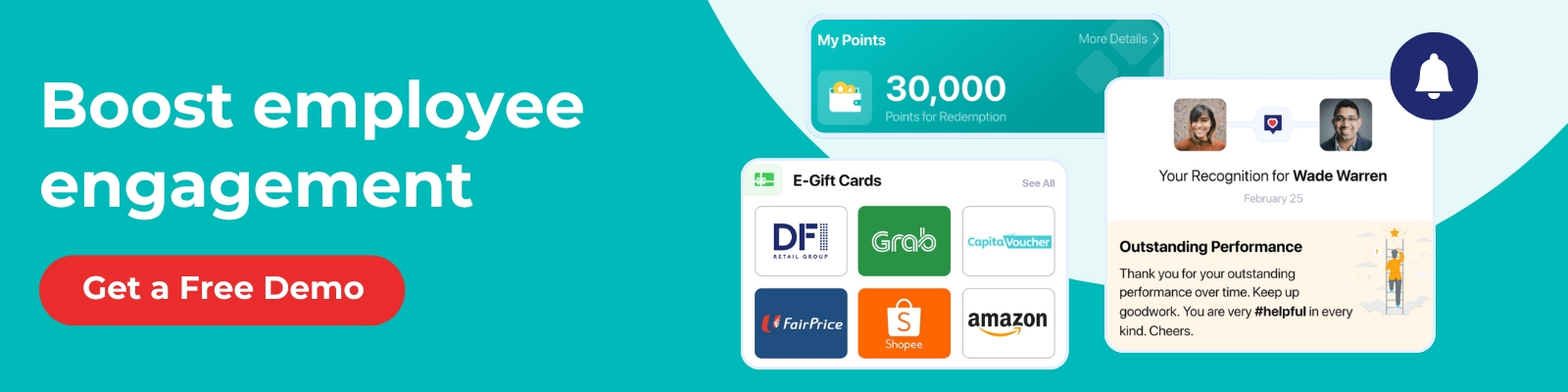
Building a strong employee experience requires more than good intentions; it requires the right infrastructure. CERRA Applause is designed to help HR and marketing teams embed recognition into everyday culture, at scale.
The platform makes it easy to create a culture of continuous recognition, where appreciation isn’t reserved for big moments but flows consistently throughout the year. Peer-to-peer recognition is built in, so employees can acknowledge each other’s contributions without waiting for manager approval, because some of the most meaningful recognition comes from colleagues who see the effort first-hand.
Managing rewards across multiple locations or markets can be complex. CERRA Applause simplifies that by offering flexible, global rewards, including digital gift cards from thousands of partners worldwide, so every employee can receive something that’s genuinely meaningful to them, wherever they’re based.
Milestone celebrations are automated, so birthdays, work anniversaries, and key achievements are never missed, removing the administrative burden while keeping the personal touch. And with built-in analytics, teams can track engagement trends, monitor recognition activity, and use real insights to continuously strengthen their strategy.
If you’re looking to build a more consistent, scalable approach to recognition, exploring a structured solution like CERRA Applause is a practical next step. Because great employee experience doesn’t happen by accident; it’s built touchpoint by touchpoint, day by day. Reach out to our team today!