Mental wellness rarely comes from a single breakthrough moment. More often, it develops through small, repeated choices that gradually shape how we think, feel, and function each day.
The good news is that meaningful progress does not require a complete lifestyle overhaul. Whether you lean towards quiet solo rituals, physical movement, or shared experiences with others, there are practical activities that can fit naturally into your routine. The challenge lies in identifying what works for you and building enough consistency to see real benefits.
In this article, we will explore a range of mental wellness activities you can start today, from mindfulness practices and movement-based routines to social and workplace-friendly options. We will also cover practical ways to make these activities sustainable, so they become part of your daily rhythm rather than something you start and stop.
Mental Wellness Activities You Can Start Today
Mindfulness & Mental Reset Activities

When stress builds up, the mind often needs a moment to pause before it can reset. These activities are designed to calm mental noise, reduce anxiety, and help you return to focus.
- Practice short daily meditation
Even five minutes of stillness can lower cortisol levels and improve emotional clarity. Apps or guided audio make it easy to start, no experience required.
- Try deep breathing exercises
The 4-4-4 method (inhale for four counts, hold for four, exhale for four) activates the parasympathetic nervous system, helping the body physically shift out of stress mode. It takes less than two minutes and can be done anywhere.
- Use the “5 senses” grounding technique
When anxious thoughts spiral, grounding brings you back to the present. Identify five things you can see, four you can touch, three you can hear, two you can smell, and one you can taste. It’s a simple technique with a surprisingly immediate effect.
- Take a digital detox break
Screens are relentless. Stepping away from them, even for 30 to 60 minutes, reduces mental fatigue and gives your nervous system a genuine rest. Try it before bed and notice the difference in sleep quality.
- Start a journaling habit
Writing down three things you’re grateful for each morning, or reflecting on your day in the evening, builds self-awareness over time. It doesn’t need to be long. It just needs to be honest.
- Listen to calming music or soundscapes
Sound directly influences mood. Nature sounds, ambient music, or lo-fi playlists can create a mental environment that’s far more conducive to focus or relaxation than silence alone.
- Do a body scan relaxation exercise
Lie down, close your eyes, and slowly move your attention from your feet to the top of your head, noticing where tension lives. It’s a deeply restorative practice that most people never try simply because they haven’t heard of it.
Also read: How to Practice Mindfulness at Work for Focus and Wellbeing
Physical Activities That Boost Mental Wellness

The connection between body and mind is well-established. Movement doesn’t just improve physical health. It releases endorphins, reduces stress hormones, and improves cognitive function. You don’t need a gym for any of this.
- Join a yoga session
Yoga combines movement, breath, and mindfulness in a single practice. Whether you attend a class or follow a guided routine at home, even a short session can significantly reduce tension and improve mood.
- Go for a short daily walk
Ten to fifteen minutes of walking, especially outdoors, has been shown to reduce symptoms of anxiety and depression. It’s one of the most accessible mental wellness tools available, and it costs nothing.
- Do light stretching between work sessions
Sitting for extended periods contributes to physical tension and mental sluggishness. A few minutes of gentle stretching between tasks resets both the body and the mind.
- Try mindful movement
This means slowing down your exercise and paying attention to how each movement feels rather than racing through a routine. It transforms physical activity into a meditative experience.
- Exercise outdoors for added mental benefits
Research consistently shows that outdoor exercise delivers greater mental health benefits than the same activity done indoors. Natural light, fresh air, and open space all contribute to a better psychological outcome.
- Take movement breaks during work hours
Set a reminder every 60 to 90 minutes to stand, move, or stretch. It sounds minor, but the cumulative effect on energy and focus throughout the day is significant.
- Try breathing and movement combinations
A yoga flow that incorporates deliberate breathwork combines two of the most effective stress-reduction tools in a single session, making it one of the most efficient ways to support mental wellbeing.
Social & Connection-Based Activities

Isolation quietly worsens mental health, even when we don’t notice it happening. Human connection, even in small doses, strengthens emotional resilience and a sense of belonging.
- Join a wellness or fitness group activity
Shared goals create shared energy. Group activities add accountability, motivation, and the simple pleasure of being around others who are making similar choices.
- Start a book club or learning circle
Intellectual connection is underrated as a wellness tool. Discussing ideas with others stimulates the mind, provides structure, and builds relationships outside of everyday work conversations.
- Participate in team wellness challenges
Friendly team challenges, such as step counts, hydration goals, or mindfulness streaks, introduce healthy habits through play rather than obligation. They also strengthen team bonds in the process.
- Schedule regular catch-ups with colleagues or friends
Not every meeting needs an agenda. Informal check-ins, even brief ones, sustain relationships and provide the emotional support that formal channels rarely offer.
- Volunteer or contribute to a cause
Giving back shifts focus outward and creates a sense of meaning and purpose. Studies show that volunteering is consistently linked to improved mental wellbeing, particularly in reducing feelings of isolation.
- Join guided group meditation or yoga sessions
The shared experience of a guided group session adds an element of community to an otherwise individual practice. It’s a small shift that makes the activity feel less solitary and more sustainable.
Workplace-Friendly Mental Wellness Activities

Not all wellness activities need to happen outside of work. With a few small structural changes, the working day itself can become a more mentally supportive environment.
- Introduce “no-meeting” focus blocks
Constant interruptions fragment concentration and raise stress. Protecting even one or two hours each day for uninterrupted work makes a genuine difference to how people feel by the end of it.
- Take short mindfulness breaks during the day
Two to three minutes of conscious breathing or stillness between tasks helps prevent the accumulation of stress. Think of it as a mental reset button: small, simple, and effective.
- Use creative breaks
Drawing, free writing, or open-ended brainstorming engage a different part of the brain than analytical work. Even a short creative break can restore focus and lift mood.
- Try walking meetings instead of sitting ones
One-to-one conversations often flow more naturally when you’re moving. Walking meetings reduce formality, encourage clearer thinking, and build physical activity into the working day without requiring extra time.
- Set boundaries for work hours and notifications
Constant availability is one of the most significant contributors to workplace stress. Encouraging people to set clear boundaries, and actually respect them, is one of the most impactful things an organisation can do for team wellbeing.
Also read: How to Build Employee Wellbeing: Practical Steps and Real Examples
Best Practices: How to Make These Activities Actually Work
Knowing what to do is rarely the challenge. Making it stick is.
- Start small and stay consistent: Five to ten minutes of daily practice is far more valuable than an intense session once a week. Consistency builds the habit; intensity can come later.
- Combine physical and mental activities: Yoga paired with breathwork, or a walk followed by journaling, multiplies the benefit of each. The body and mind respond well to being addressed together.
- Attach activities to existing habits: After waking up, stretch. At midday, step outside for a walk. Before bed, write in a journal. Linking new behaviours to established ones is the simplest way to make them feel automatic.
- Keep it flexible: No single activity works for everyone, and what helps on Monday might not suit you on Friday. Rotating based on mood and schedule keeps the practice sustainable rather than pressured.
- Make it social when you can: Group participation significantly increases follow-through. Shared accountability, encouragement, and the enjoyment of doing something together all contribute to longer-term employee engagement.
- Support it with structure: Most people don’t stop because they’ve lost interest. They stop because there’s no time carved out, no consistency, and no guidance to keep going. When wellness activities are organised, tracked, and encouraged as part of a wider programme, participation rates rise meaningfully.
Make Mental Wellness Sustainable at Work
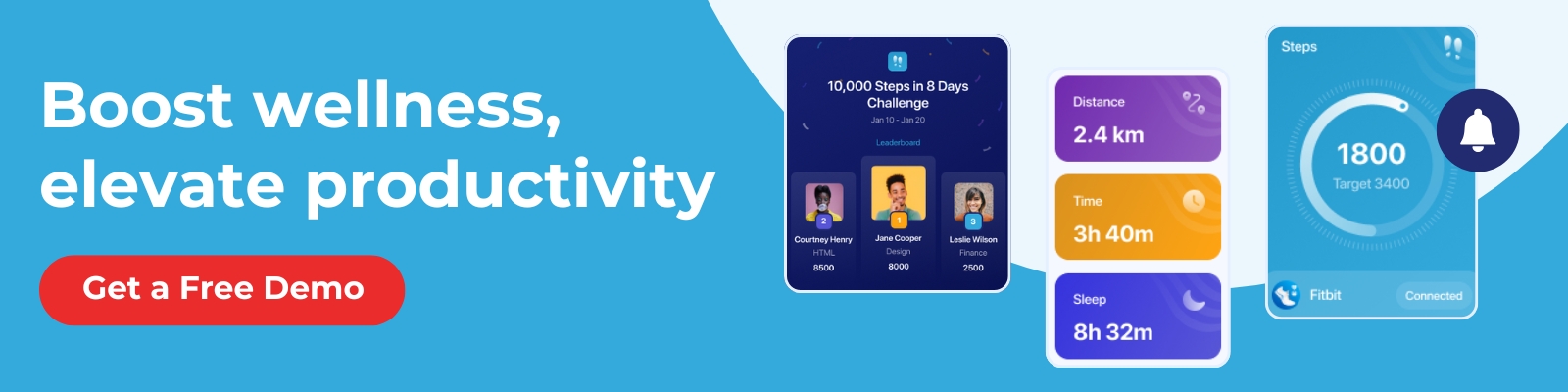
Organisations increasingly recognise the importance of mental wellness, but turning that awareness into consistent action remains a challenge. Time constraints, competing priorities, and lack of structure often lead to low participation, even when the intent is strong.
What makes the difference is building wellness into everyday routines. Simple, repeatable actions such as a short walk, a brief breathing exercise before a meeting, or a few minutes of journaling can have a meaningful impact when done consistently. Progress comes from habits that fit naturally into the day, not from occasional, large-scale efforts.
This is where structured support becomes valuable. Platforms like CERRA Wellness help organisations integrate wellness into daily work life by offering accessible fitness and wellbeing activities that employees can easily adopt. By connecting physical practices like yoga and movement with mental wellbeing, teams are more likely to engage regularly and build lasting habits.
The focus should be on starting with a few manageable activities and maintaining consistency over time. Small actions, repeated daily, create the foundation for stronger, more resilient teams.
If you’re looking to build a more consistent and engaging wellness programme for your organisation, reach out to our team by filling in the form below.