Singapore consistently ranks among the world’s most competitive economies, drawing businesses and talent from across the globe. For HR and people leaders, understanding the local work culture plays a crucial role in making informed decisions.
The way Singaporeans communicate, collaborate, and respond to leadership shapes everything from your employee engagement strategy to how recognition lands with your team. Cultural norms influence how people give feedback, respond to change, and connect with their colleagues. When HR practices align with these norms, retention improves, performance strengthens, and teams feel genuinely valued.
This guide explores the cultural dynamics that define Singapore’s workplace, with practical insights to help you build policies, communication frameworks, and recognition programmes that resonate.
Core Characteristics of Singapore Work Culture
Multicultural & Diverse Workforce
Walk into any Singapore office and you’ll likely hear Mandarin, Tamil, Malay, and English in the same corridor. The workforce is deeply multicultural, bringing together Singaporeans of Chinese, Malay, Indian, and Eurasian heritage alongside expatriates from across Asia, Europe, and beyond.
For HR, this diversity is both an asset and a responsibility. Policies that work in homogenous environments may fall flat here. What feels direct to one employee might feel abrupt to another. A reward that excites one team member might hold little meaning for someone from a different background.
Cultural sensitivity sits at the heart of effective collaboration and team harmony. Inclusive communication, fair treatment, and awareness training help ensure that everyone feels respected and heard, no matter where they’re from.
Meritocracy, Efficiency, and High Performance Expectation
Singapore was built on meritocracy, and that principle runs through its workplaces. Performance matters. Results count. Employees are expected to deliver, and they expect to be recognised and rewarded based on what they achieve.
This isn’t a culture that tolerates mediocrity. There’s a strong work ethic, a drive to excel, and a belief that effort should lead to progress. Many employees embody what locals call the “kiasu” mentality: a fear of losing out that fuels ambition and self-improvement. It can be a powerful motivator, but it also heightens competition and, if unchecked, can contribute to stress.
HR teams need to design performance frameworks that honour this meritocratic mindset. Clear KPIs, transparent progression criteria, and consistent recognition systems help employees see that hard work leads somewhere. When people trust the system is fair, they engage more deeply.
Also read: Employee Recognition Best Practices for Creating a Culture of Appreciation
Respect for Hierarchy and Formality
Hierarchy is still very much present in Singapore’s work culture. Many workplaces maintain clear reporting lines, with decisions flowing from the top down. Employees tend to respect authority, defer to senior leaders, and expect structure in how information is shared.
Communication often reflects this. People are polite, measured, and indirect, especially when disagreeing or raising concerns. The goal is to maintain harmony and avoid causing anyone to lose face. Challenging a manager openly is uncommon, not because employees lack opinions but because the culture discourages direct confrontation.
For HR, this means setting communication norms that respect hierarchy while fostering transparency. Encourage two-way dialogue, but frame it in ways that feel culturally comfortable. Anonymous feedback channels, structured one-on-ones, and clear escalation paths can help bridge the gap between traditional respect and modern openness.
Emphasis on Teamwork, Harmony, and Collective Responsibility
Individual achievement matters, but so does the team. Singaporeans value cohesion, preferring consensus over conflict. Employees are often reluctant to rock the boat, even when something isn’t working. The desire to preserve harmony can mean issues go unspoken, feedback stays vague, or disagreements simmer beneath the surface.
This cultural preference for collective responsibility can strengthen collaboration, but it can also stifle honesty if not managed well. HR should cultivate environments where people feel psychologically safe to raise concerns without feeling like they’re breaking an unspoken rule.
Recognition plays a role here too. Celebrating team wins alongside individual contributions reinforces the cultural value of working together. When people see their collective effort acknowledged, it strengthens bonds and builds trust.
Structure, Discipline, and Professional Standards
Punctuality isn’t negotiable. Rules are followed. Professionalism is expected. These aren’t just personal preferences; they’re cultural norms that shape daily workplace behaviour.
Many industries still maintain formal dress codes, structured meeting protocols, and clear procedural standards. Employees generally appreciate knowing what’s expected of them, and they respond well to systems that are consistent and fair.
HR’s role is to reinforce these standards without making them feel rigid or outdated. Clear policies help, but so does modelling flexibility where it makes sense. The key is balancing structure with adaptability, especially as younger generations enter the workforce with different expectations.
Global-Standard Business Environment
Singapore operates on a global stage, not just within the region. Multinational corporations, regional headquarters, and international teams are the norm, not the exception. This means HR must constantly balance global expectations with local cultural norms.
English as the primary business language simplifies cross-border collaboration, but cultural nuances still matter. A direct communication style that works in New York might feel jarring in Singapore. A flat organisational structure that thrives in Stockholm might confuse teams accustomed to clearer hierarchy.
HR teams operating in Singapore need to be cultural translators, bridging different work styles, aligning global policies with local sensitivities, and ensuring that employees from every background feel they belong.
Culture-Related Challenges HR Should Anticipate
High performance expectations can be a double-edged sword. The same drive that fuels productivity can also lead to stress, burnout, and unhealthy working hours if not managed carefully.
Indirect communication, while rooted in respect, can create misunderstandings. Employees may hesitate to speak up, even when they have valuable insights or concerns. Feedback may be softened to the point of ambiguity, leaving managers unsure of what people really think.
Hierarchical structures, when too rigid, can slow decision-making and stifle innovation. If junior employees feel their ideas won’t be heard, they stop sharing them. If feedback only flows one way, opportunities for improvement get missed.
Managing cultural diversity requires ongoing effort. Sensitivity training can’t be a one-off event. Policies must be enforced consistently, and HR needs to stay alert to how different team members experience the workplace.
Why Singapore’s Work Culture Is Attractive for Employers
Despite the challenges, Singapore’s work culture offers significant advantages. The talent pool is highly skilled, multilingual, and globally minded. Employees bring a strong work ethic, a respect for structure, and an eagerness to learn and grow.
The business environment itself is robust: stable governance, transparent regulations, and a reputation for professionalism. Companies know they can rely on clear rules and predictable systems, which makes planning easier and risk lower.
Employees here generally value clarity. They respond well to performance-based systems, transparent progression frameworks, and fair reward structures. This cultural alignment with modern HR practices like KPIs, competency models, and merit-based recognition makes it easier to build programmes that actually work.
Practical Tips for HR Teams
Understanding culture is one thing. Applying that understanding is where the real work begins. Here’s how to translate cultural insight into practical HR action that strengthens your team and supports the way Singaporeans naturally work.
- Build policies that respect hierarchy but encourage modern, two-way communication. Create space for feedback that feels safe, not confrontational.
- Invest in cultural awareness training to ensure smooth collaboration among diverse employees. Keep the conversation going; culture isn’t static, and neither should your approach be.
- Balance high performance expectations by promoting well-being programmes and healthy team dynamics. Recognition should energise people, not just reward them once they’re already exhausted.
- Design clear performance frameworks with transparent progression criteria. Employees need to see how their work connects to advancement opportunities and rewards.
- Establish communication norms that bridge different cultural expectations. What feels direct to one team member might feel blunt to another; help managers navigate these differences with practical guidelines.
- Use structured recognition programmes to reinforce fairness and motivate across cultures. Make sure appreciation is timely, specific, and visible. Encourage managers to recognise contributions promptly and consistently.
Also read: How To Improve Employee Engagement: Key Drivers & Strategy
Using Recognition to Strengthen Culture
In Singapore’s work culture, recognition functions as a strategic lever that reinforces performance, structure, and collaboration.
When done well, recognition reinforces meritocracy in a way that feels fair and transparent. It builds cohesion across multicultural teams by celebrating contributions that might otherwise go unnoticed. It helps retain high performers who need to see that their effort matters. And it can reduce burnout by acknowledging not just results, but the process and resilience behind them.
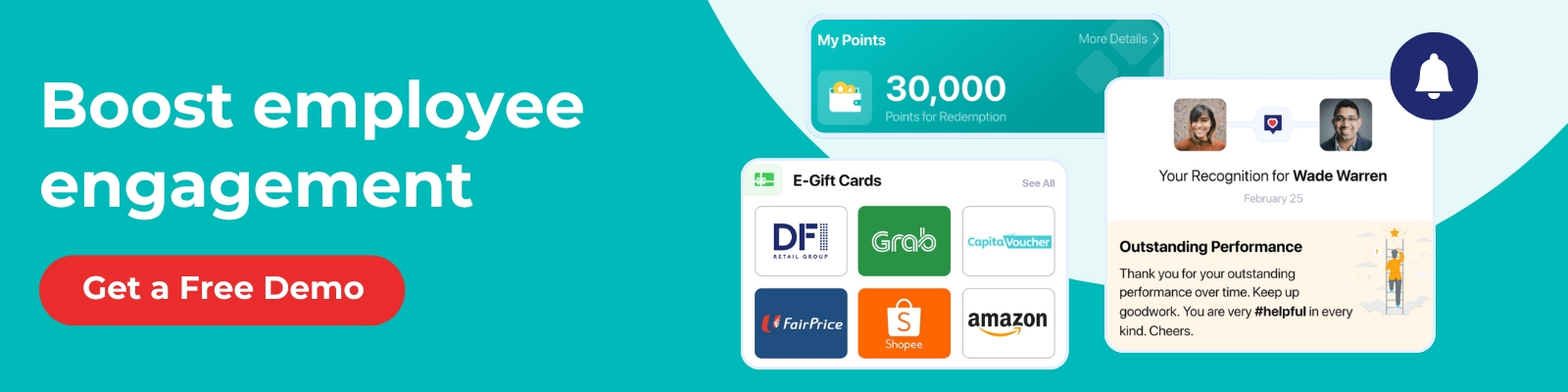
This is where a platform like CERRA Applause becomes valuable. It provides a recognition framework that fits naturally with Singapore’s workplace style because it is transparent, merit-driven, and inclusive. It supports appreciation across diverse teams without increasing HR’s manual workload, and it helps you embed recognition in a way that reflects how people in Singapore prefer to work.
The platform streamlines everyday moments of appreciation, whether it’s celebrating birthdays and work anniversaries, acknowledging great performance, or nominating colleagues for awards. Employees can redeem the points they earn in a diverse reward marketplace, choosing from gift vouchers, merchandise, and memorable experiences.
Creating a Workplace Singaporean Teams Truly Value
Understanding Singapore’s work culture is essential for HR success. The same cultural forces that make the city-state a global business hub also influence how employees communicate, collaborate, and respond to leadership.
When HR practices reflect these forces by balancing respect for hierarchy with a space for open dialogue, celebrating strong performance while strengthening team cohesion, and embracing diversity while ensuring consistency, teams are far more likely to thrive.
Recognition plays a central role in making this happen. Digital recognition solutions like CERRA Applause help HR strengthen workplace culture by making appreciation structured, inclusive, and aligned with the values that matter most to Singaporean teams. When people feel genuinely valued, they stay longer, work harder, and contribute more. If you’re ready to build that kind of culture, reach out to our team today.