Wellness activities are intentional actions and habits that support overall health and well-being. They include physical movement, mindfulness practices, stress management techniques, and opportunities for social connection.
Today, wellness is no longer a nice-to-have. It is a clear priority for individuals and organisations alike. As people become more proactive about protecting their physical and mental health, expectations in the workplace are shifting. When employees feel well, they bring greater energy, focus, and commitment to their roles.
This article explores why wellness activities matter, the different types available, and how organisations can implement them effectively.
What Are Wellness Activities?
Wellness activities encompass any intentional practice that supports better health. That includes physical movement, mental relaxation, emotional reflection, and social engagement. The definition is broad because well-being itself is multifaceted.
A holistic approach recognises that wellness isn’t just about how many steps you take or how often you hit the gym. It’s about sleep quality, stress levels, relationships, and whether you’re building habits that sustain you over time. Physical fitness is important, but so is mental clarity, emotional balance, and feeling connected to others.
Modern wellness activities reflect this wider view. They might include meditation apps, walking meetings, gratitude journals, or team challenges that combine fitness with friendly competition. The goal is to support the whole person, not just one dimension of health.
What makes wellness activities particularly valuable is their adaptability. Individuals can build personal routines around what works for them. Teams can participate in group challenges that strengthen bonds while improving health. Organisations can design programmes that align with company culture and employee needs, whether that’s reducing burnout, boosting morale, or simply creating more opportunities for people to feel good.
Why Wellness Activities Matter
Wellness activities are more than feel-good initiatives. They shape how people think, feel, and perform every day. Here is how the benefits unfold across physical health, mental resilience, and workplace performance.
Physical Benefits
Regular wellness activities improve energy, stamina, and overall fitness. When people move more, eat better, and prioritise rest, daily tasks feel more manageable. Simple habits such as stretching between meetings or taking a short walk can immediately lift focus and alertness.
Over time, these habits also reduce long-term health risks. Consistent physical activity lowers the likelihood of chronic conditions such as heart disease, diabetes, and high blood pressure. Even small, sustainable improvements in movement and sleep contribute to stronger long-term outcomes.
Better physical health also strengthens performance. Quality sleep, balanced nutrition, and regular exercise support sharper thinking, quicker recovery, and greater resilience during demanding periods.
Mental and Emotional Benefits
Wellness activities provide practical tools for managing stress. Mindfulness exercises, controlled breathing, and time outdoors help regulate stress responses and create space for calm. Short resets, such as journaling or brief meditation, improve focus and decision-making.
With consistent practice, individuals build emotional resilience. They handle pressure more effectively and recover from setbacks without burning out. Mental well-being is no longer optional. It is central to sustained performance and overall health.
Workplace Benefits
When organisations invest in wellness, employees feel valued beyond their output. This strengthens engagement, loyalty, and motivation. Shared activities also improve morale and teamwork, creating stronger connections across teams.
Healthier employees mean fewer absences, higher productivity, and improved retention. Investing in wellness supports both people and long-term business results.
40+ Wellness Activities Ideas
Wellness can take many forms, depending on individual needs and organisational goals. A well-rounded approach typically includes physical, mental, social, and workplace-focused activities. By offering a mix of options, organisations make participation more accessible and sustainable, allowing people to engage in ways that suit their preferences and lifestyles.
Physical Wellness Activities

Fitness classes provide structured ways to build strength, flexibility, and endurance. Yoga and pilates emphasise controlled movement and breath, while strength training supports muscle development and metabolism. These can be delivered in group sessions or practised individually.
- Yoga classes
- Pilates sessions
- Strength training workshops
- HIIT or cardio classes
- Mobility and posture clinics
- Step or walking challenges
- Company run or cycling clubs
- Hiking outings
Walking or step challenges encourage consistent daily movement without requiring special equipment. They are easy to track and can be gamified to spark friendly competition. Outdoor activities such as hiking or cycling add the benefits of fresh air and time away from screens, boosting both mood and energy.
Short stretch breaks and guided movement sessions also fit easily into busy schedules. Even five minutes between meetings can reduce stiffness, improve circulation, and reset focus.
Mental and Emotional Wellness Activities

Mindfulness and meditation sessions teach practical stress management techniques. Guided breathing exercises or short reflective pauses help participants regain focus and calm. Over time, these practices build emotional resilience.
- Guided meditation sessions
- Breathing technique workshops
- Mindfulness challenges
- Stress management training
- Time management workshops
- Journaling programs
- Gratitude board initiatives
- Mental health awareness talks
Workshops on stress management offer actionable tools such as time management strategies, boundary setting, and reframing techniques. Journaling and reflection exercises promote self-awareness and help individuals process experiences constructively. Gratitude practices, whether personal lists or shared team boards, shift attention toward positive progress and strengthen relationships.
Also read: How to Practice Mindfulness at Work for Focus and Wellbeing
Social and Community Wellness Activities
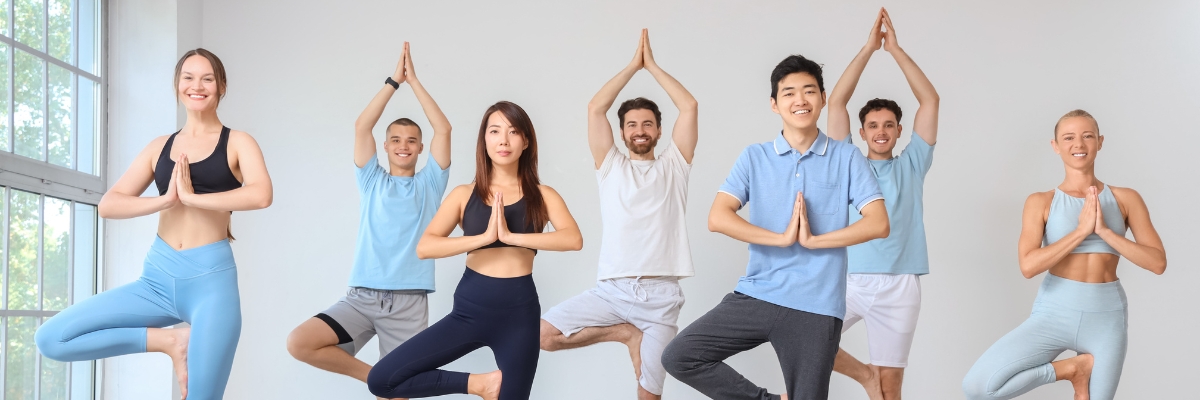
Wellness challenges with a team element combine health goals with collaboration. Hydration tracking, healthy recipe swaps, or group step targets add accountability and make participation more engaging.
- Team step competitions
- Hydration tracking challenges
- Healthy recipe swaps
- Group fitness meetups
- Volunteer days
- Charity runs
- Family wellness days
- Peer support circles
Group fitness sessions such as lunchtime yoga or run clubs build camaraderie while promoting health. Volunteer initiatives connect wellness with purpose, offering physical activity and the emotional uplift of contributing to meaningful causes. Family-inclusive events further strengthen community by extending well-being beyond the workplace.
Workplace-Focused Wellness Activities

Structured corporate wellness programs may include health screenings, fitness subsidies, mental health resources, or educational campaigns. Health checks encourage proactive care, while ergonomic assessments improve comfort and reduce injury risk.
- Annual health screenings
- Flu vaccination drives
- Ergonomic assessments
- Standing desk initiatives
- Mental health resource programs
- Fitness subsidy schemes
- Wellness ambassador programs
- Themed wellness campaigns
Themed wellness days or campaigns create focus and momentum, encouraging employees to explore different aspects of well-being in a supportive, organised way.
Wellness Activities by Setting
Individual Wellness
Daily habits and routines form the foundation of personal wellness. Morning stretches, evening walks, or a consistent sleep schedule create stability and improve how someone feels day to day. Small, repeated actions compound into significant results.
- Personal fitness goal setting
- Sleep improvement tracking
- Daily water intake monitoring
- Habit-building challenges
Personal goal setting gives direction. Whether it’s running a certain distance, meditating daily for a month, or drinking more water, clear goals create focus and motivation. Writing them down and reviewing progress makes them more likely to stick.
Self-tracking and progress monitoring provide feedback. Apps, journals, or simple checklists help people see how far they’ve come. That visibility reinforces effort and highlights what’s working.
In-Office Workplace Wellness
Group activities bring colleagues together and make wellness a shared priority. Lunchtime walks, fitness classes, or meditation sessions create opportunities for connection while supporting health.
- Scheduled wellness breaks
- On-site nutrition seminars
- Guided stretching breaks
- Desk exercise routines
On-site workshops deliver education and skill-building. Nutrition talks, stress management sessions, or sleep hygiene presentations give people practical knowledge they can apply immediately.
Scheduled wellness breaks build rhythm into the workday. A mid-morning stretch, an afternoon mindfulness moment, or a team walk creates structure and encourages people to step away from their desks regularly.
Remote and Hybrid Teams
Virtual fitness sessions keep remote workers engaged. Live-streamed yoga, online HIIT classes, or guided stretching via video call bring structure and community to home workouts.
- Virtual fitness classes
- Online global wellness challenges
- On-demand meditation libraries
- Virtual health coaching
Online wellness challenges work across locations. A global step challenge, hydration tracker, or sleep improvement campaign allows everyone to participate regardless of where they’re based. Digital tools make it easy to log progress and see team results.
Digital engagement programs offer flexibility. On-demand meditation libraries, wellness webinars, or virtual health coaching let people access support when it suits their schedule.
How to Implement Wellness Activities Successfully
Starting with clear goals sets the foundation. Are you aiming to reduce stress, increase movement, build team connection, or support mental health? Defining objectives helps you design activities that actually address what matters most.
Offering a variety of options ensures something resonates with everyone. Not everyone enjoys high-intensity workouts, and not everyone wants to meditate. A mix of physical, mental, social, and educational activities increases the likelihood that people will find something that fits.
Encouraging participation through incentives creates momentum. Small rewards for consistent effort, team recognition for challenge completion, or prize draws for engagement all boost involvement. People respond to acknowledgment and appreciation.
Making participation simple and accessible removes barriers. Clear communication, easy sign-up processes, and flexible timing mean more people can join. If wellness activities feel complicated or inconvenient, uptake will be low.
Tracking engagement and results shows what’s working. Monitoring participation rates, gathering feedback, and measuring outcomes like reduced absenteeism or improved morale help refine programmes over time. Data-driven adjustments lead to better results.
Also read: How to Build Employee Wellbeing: Practical Steps and Real Examples
Build and Scale a High-Impact Wellness Program
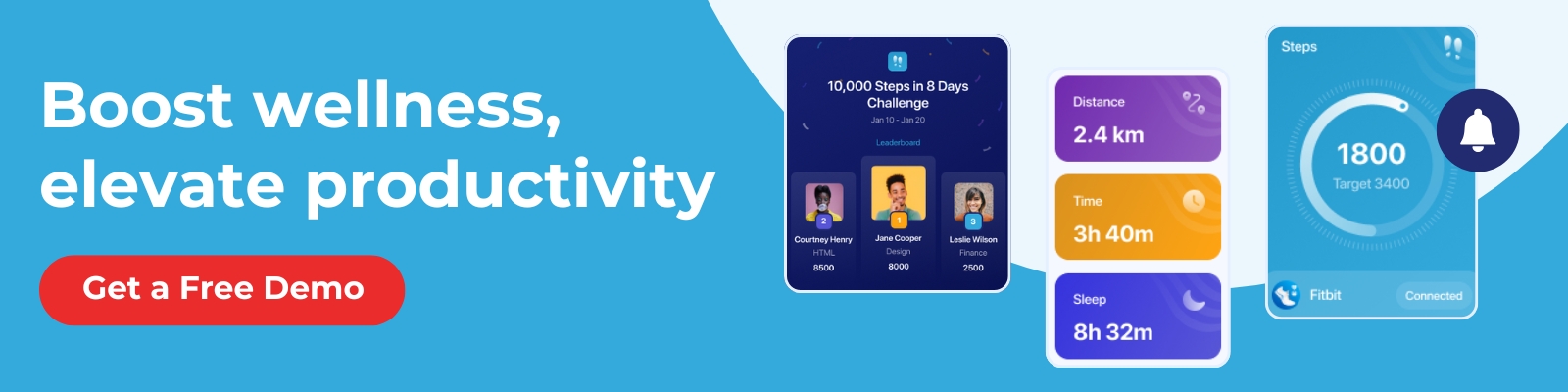
Wellness activities are a long-term investment in people and performance. When organisations intentionally create space and support for better health, the returns show up in engagement, retention, productivity, and culture. But impact does not happen by accident. Effective programs require structure, consistency, and tools that make participation easy and sustainable.
CERRA Wellness simplifies the process of managing initiatives across teams and locations. The platform is designed to reduce administrative burden while increasing engagement. Whether launching a small pilot or rolling out a company-wide program, the flexible and scalable structure adapts to different organisational needs.
Instead of building everything from scratch, teams gain access to curated wellness activities and experiences, from fitness challenges to mindfulness resources. Built-in incentives encourage participation, allowing employees to earn rewards as they complete activities. This combination of health benefits and tangible recognition reinforces positive habits and sustains involvement over time.
For HR teams, seamless management is essential. CERRA Wellness streamlines tracking, reporting, and communication, ensuring programs run smoothly without overwhelming internal resources. Structured support provides accountability, variety, and measurable progress, making it easier to deliver meaningful outcomes.
If you are ready to strengthen or scale your wellness initiatives, now is the time to act. Start building a program that supports your people and drives real, lasting results with CERRA Wellness.