Bank loyalty programmes recognise customer actions like spending, saving, referrals, and app usage. Rewards such as points, cashback, or tiered perks help build repeat behaviour and long-term loyalty.
This matters more today because switching between financial providers is now incredibly easy. Digital onboarding, attractive rewards, and seamless user journeys are available across both established institutions and newer fintech players. With so many options offering comparable convenience, customers feel less tied to any single provider, which raises the bar for what a loyalty program must deliver. Research shows that 46 percent of consumers are open to switching for cash incentives, better rates, or life changes, highlighting both a clear threat and a major opportunity for established banks.
The opportunity lies in creating programmes that offer real value instead of one-dimensional rewards. When banks recognise customers for healthy financial habits, referrals, or exploring new features, loyalty becomes deeper and more emotional. A well-designed programme evolves into a meaningful reason to stay rather than a set of occasional perks.
Why Loyalty Programs Matter for Banks
Loyalty programmes are vital for banks facing intensifying competition from digital challengers and increasingly transactional customer relationships. The 2025 EY Loyalty Market Study identifies loyalty programmes as the primary reason consumers remain loyal to brands (41%), ahead of high-quality products and services (33%). This positions loyalty initiatives as critical tools for building perceived value and long-term retention. Supporting this, the 2025 Accenture Global Banking Consumer Study reports that banks with strong customer advocacy, where clients actively recommend them, grow revenues 1.7 times faster than their competitors.
Quantitative evidence further highlights their impact. EY data shows that 92% of consumers are enrolled in at least one loyalty programme, with 52% engaging on a weekly basis. However, emotional connection remains limited, with only 33% feeling moderately connected. This gap presents a clear opportunity for banks to move beyond discounts and points towards more personalised experiences, such as exclusive mobile offers or tailored rewards, which can strengthen retention and increase lifetime value.
Personalisation and digital integration significantly enhance programme effectiveness. Accenture found that 72% of customers say personalisation influences their choice of bank, yet only 3% actively use the personalisation tools currently available. This disparity underscores the growing need for AI-driven personalisation. According to EY, 51% of brands currently personalise at targeted levels, while 38% plan to expand these capabilities. Mobile apps also play a central role in driving engagement. More than 50% of users access rewards weekly, 61% actively seek exclusive deals (EY), and Accenture reports an average of 152 reward-related touchpoints per year, with a 69% satisfaction rate.
Despite these benefits, challenges remain, including appealing to diverse customer segments and sustaining engagement in an increasingly crowded market. By prioritising relational rewards, expanding earning opportunities and advancing hyper-personalisation, banks can reduce churn and defend against new entrants. In an era of commoditised convenience, loyalty programmes help restore the human element, turning satisfied customers into loyal advocates who support sustainable growth.
Common Types of Bank Loyalty Programs
Most bank loyalty programmes fall into a few recognisable structures, each with its own logic and appeal.
Points-based programs
Customers earn points for transactions (spending on a debit card, paying bills, transferring money) and redeem them for rewards like gift cards, merchandise, or travel. The structure is simple and flexible, making it easy to communicate and scale. But without regular earning opportunities, points can feel slow to accumulate and lose their motivational pull.
Tiered rewards systems
Customers progress through levels such as bronze, silver, gold, and platinum, unlocking greater benefits as they advance. Reaching a new tier feels like an achievement. It taps into our natural desire for progress and status. When someone qualifies for premium support or higher cashback rates, they’re less likely to switch. Tiered programmes work because people love seeing progress.
Also read: Building Tier-Based Loyalty Programmes That Boost Customer Engagement
Cashback programs
Cashback is immediate, tangible, and universally understood. Spend money, get money back. There’s no catalogue to browse, no redemption process to navigate. It’s especially effective for customers who find points confusing or don’t want to “save up” for a reward.
Coalition or partner-based programs
Customers earn points not only with the bank but also through retail partners, airlines, or other financial services. This expands the earning ecosystem and creates more touchpoints. It adds value beyond banking, but it requires strong partnerships and careful coordination to feel cohesive.
Digital wallet and app-integrated loyalty
Rewards are woven directly into the banking experience. Earn notifications appear right after transactions. Redemption happens in the app. The entire journey sits where customers already spend their time: on their phones. This integration makes loyalty feel effortless rather than bolted on.
What Makes Bank Loyalty Programs Successful
A successful bank loyalty programme does more than reward spending. It makes customers feel seen, valued, and motivated to stay. Personalisation and segmentation matter because different customers value different things. A frequent traveller may look for airline miles, while a young family may prefer cashback on groceries. By segmenting based on life stage, spending habits, or financial goals, banks can deliver rewards that feel genuinely relevant, which naturally drives engagement.
A smooth earning and redemption experience is just as important. Customers should be able to earn points whether they shop online, visit stores, or pay bills through the app. The redemption process should be equally simple, without the need to navigate a separate portal or wait weeks for a voucher. The easier the journey, the more consistently customers participate. Banks can also reward behaviours beyond transactions, such as saving regularly, setting financial goals, referring friends, or trying new app features. These actions strengthen engagement and contribute to long term value.
A broad reward catalogue enhances the programme by giving customers options that fit their lifestyle. Some may want travel rewards, others may prefer shopping vouchers or charitable choices. Partnerships with a variety of brands allow banks to offer this range without handling every reward internally. Finally, a clear structure and straightforward communication help customers understand earning rules, expiry timelines, and key programme mechanics. This clarity builds trust and ensures participation feels accessible rather than confusing.
Also read: Understanding Brand Loyalty and How to Strengthen It
Leading Examples of Bank Loyalty Programs
Some banks have built loyalty programmes that stand out, not just for what they offer, but for how they’ve designed engagement around customer needs.
- DBS Rewards
DBS Rewards offers one of the region’s most comprehensive banking loyalty programmes. Customers earn points across DBS credit and debit cards, with bonus earning on travel, dining, and online shopping. What makes it particularly effective is the flexibility: points can be redeemed for cashback, travel bookings, shopping vouchers, or even charity donations. The programme integrates seamlessly with the DBS mobile app, making earning and redemption feel effortless. For a bank serving millions across Asia, it demonstrates how scale and personalisation can coexist.
- OCBC 360 Account
OCBC 360 Account takes a different approach by rewarding holistic banking behaviour. Customers earn bonus interest when they credit their salary, spend on OCBC cards, insure with the bank, invest, or grow their savings balance. It’s clever because it incentivises the exact behaviours that deepen customer relationships while delivering tangible value. The structure is transparent, and customers can see exactly how their actions translate into higher returns.
- UOB ONE Account
UOB ONE Account similarly rewards customers for consolidating their banking. Earn bonus interest by spending on UOB cards and crediting your salary. The tiered structure means higher spenders and savers get better rates, creating a natural incentive to increase engagement. It’s a programme that makes customers think twice before splitting their banking across multiple institutions.
- Maybank Treats
Maybank Treats offering points on everyday spending that can be redeemed at thousands of partner merchants. The programme’s strength lies in its regional reach and diverse redemption options, from dining and retail to travel and entertainment. For customers who move between Malaysia, Singapore, Indonesia, and the Philippines, the cross-border flexibility adds real value.
- HSBC Rewards Programme
Customers earn points on spending and can redeem for travel, shopping, dining, or statement credits. What sets it apart is the ability to transfer points between HSBC accounts in different countries, making it valuable for internationally mobile customers. The programme balances global scale with local partnerships, offering rewards that feel relevant wherever you are.
- Citi ThankYou Rewards
Citi ThankYou Rewards rewarding cardholders with points that can be redeemed for travel, gift cards, cashback, or used to pay down balances. The flexibility appeals to a broad audience, and the ability to transfer points to airline partners adds value for frequent travellers. It’s a programme that grows with customers as their priorities change.
- Standard Chartered Smart Credit Card
Standard Chartered Smart Credit Card offers unlimited cashback on all spending with no caps or categories to track. The simplicity is the appeal. Customers don’t need to remember which category earns more or activate quarterly bonuses. Spend money, get cashback. For people who want rewards without complexity, it’s an ideal structure.
- Bank of America Preferred Rewards
Bank of America Preferred Rewards ties benefits to relationship depth. The more products someone holds (checking, savings, credit cards, investments), the higher their tier and the better their rewards. Cashback rates increase with tier level, creating a tangible reason to consolidate banking. It’s a model that several Asian banks are now adapting for their own markets.
These examples share common traits: they’ve moved beyond transactional rewards. They recognise behaviour, offer flexibility, and integrate seamlessly into customers’ financial lives. Whether through interest bonuses, cashback, or points, they make customers feel valued for more than just their spending.
How SPUR Helps Banks Build a Strong Loyalty Program
Managing rewards across markets and customer segments can be complicated, which is why SPUR is built as a flexible, mobile-first platform that simplifies how modern loyalty programmes operate. It brings all core mechanics together so banks can design, manage, and scale engagement in one place.
The platform offers full control over points, tiers, challenges, and reward structures. Banks can keep things simple with a straightforward points model or create a more playful experience with missions and milestones. This flexibility makes it easier to shape a programme that fits different customer behaviours.
SPUR also supports both transactional and non-transactional engagement. With system integration, customers can be recognised for saving, referring friends, exploring app features, or reaching financial goals. This creates more touchpoints for participation, even during periods when spending slows.
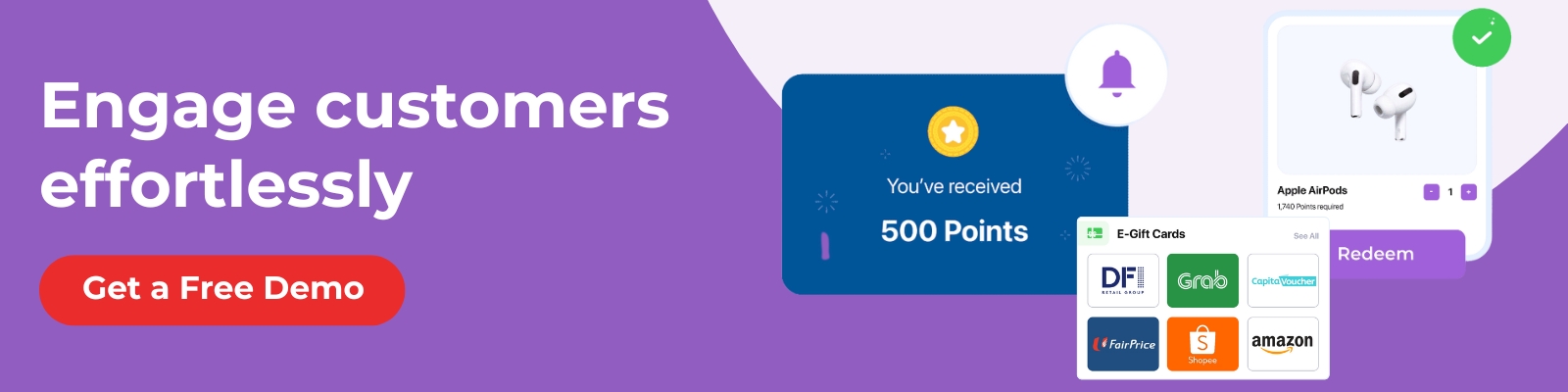
Choice plays a big role in customer motivation, which is why SPUR connects banks with a global catalogue of digital gift cards, travel options, and experience-based rewards. With thousands of partners available, customers can find rewards that feel personally meaningful.
You can also add another layer of energy with gamification in SPUR. Progress tracking, badges, and themed challenges help turn routine banking into something more interactive, encouraging customers to return, explore, and stay committed.
All of this is strengthened by real-time analytics that reveal what drives engagement, where customers lose interest, and which rewards create the most value. Banks can adjust mechanics, test new ideas, and manage costs more effectively, creating a loyalty experience that feels modern, personal, and worth staying for.
Moving Forward with Stronger Loyalty
Loyalty has become a strategic priority for banks, not a nice-to-have. In a world where switching is easy and competition is fierce, the banks that win are the ones that make customers feel valued beyond their account balance.
Modern loyalty programmes drive engagement by rewarding more than just spending. They recognise saving, exploration, and healthy financial habits. They offer personalised rewards that match individual needs. And they integrate seamlessly into the digital banking experience, making participation feel effortless.
The future belongs to banks that see loyalty as a relationship, not a transaction. If you’re ready to build a programme that keeps customers engaged, motivated, and loyal, SPUR offers the platform and flexibility to make it happen. Start building a loyalty experience that truly differentiates your bank, one that customers choose to stay with, not just settle for.