Employee engagement activities are the initiatives organisations use to help people feel more connected to their work, their colleagues and the company around them. Done well, they give employees a reason to care beyond the job description.
But engagement isn’t simply about having fun at work. An afternoon game might lift the mood for an hour, yet it won’t fix a team that feels unheard or unappreciated. The activities that genuinely move the needle help employees connect with each other, contribute their ideas, feel valued for their work, and stay meaningfully tied to the organisation’s goals.
That distinction matters more than ever, because the best engagement thinking has moved past job satisfaction and entertainment. It’s about building habits that make people want to stay and do their best work.
In this article, we’ll cover what employee engagement activities actually are, then share 30 ideas organised by the outcome they’re designed to support, from recognition and connection to communication, growth, wellbeing and culture. We’ll also look at how to choose the right mix, make activities stick, and measure whether they’re really working.
What Are Employee Engagement Activities?
Employee engagement activities are structured or informal initiatives designed to strengthen how employees relate to their colleagues, their work, the organisation, and its values. They can be as simple as a weekly shout-out or as structured as a company-wide mentoring programme.
Employee engagement activities and team-building activities are related but not the same. Team building is primarily about collaboration and relationships, helping people work better together. Engagement activities cast a wider net. They also address recognition, communication, wellbeing, development, feedback and company culture, which means they touch parts of the employee experience that team building alone can’t reach.
30 Employee Engagement Activities for the Workplace
Rather than a random list, we’ve grouped these 30 ideas by the engagement objective they support, so you can pick activities that solve the challenge you’re actually facing.
Recognition and Appreciation Activities
- Peer-to-peer recognition. Employees recognise colleagues directly for specific contributions, rather than waiting for a manager to notice.
- Values-based recognition. Ask employees to recognise colleagues who visibly demonstrate a particular company value.
- Employee appreciation wall. Create a physical or digital space where employees can leave appreciation messages for one another.
- Spot recognition awards. Let managers recognise employees immediately after a notable achievement, rather than saving it for a review cycle.
- Employee milestone celebrations. Celebrate birthdays, work anniversaries and long-service milestones as they happen.
- Employee of the month/quarter. Recognise employees based on meaningful contributions, not popularity.
- Recognition campaigns. Run themed campaigns, such as “Customer Champion Week” or “Above & Beyond Month”, to spotlight a specific behaviour.
Also read: 20+ Peer Recognition Ideas and Tips to Build a Culture of Appreciation
Team Connection Activities
- Team lunch or breakfast. A simple, regular gathering that gives colleagues space to talk outside of work topics.
- Coffee roulette. Randomly pair employees from different teams for informal conversations.
- Team trivia. A light, low-pressure way to bring people together over shared knowledge and a bit of friendly competition.
- Office games and tournaments. Short tournaments, from table tennis to online quizzes, give teams something to rally around together.
- Cross-team challenges. Create challenges that require employees from different departments to collaborate towards one goal.
- Team volunteering. Give teams the opportunity to volunteer for a social or community cause together.
Also read: 50 Team Building Activities to Bring Your Team Together
Communication and Feedback Activities
- Employee pulse surveys. Run short, regular surveys to understand how employees are feeling.
- Ask-me-anything sessions with leadership. Give employees an informal, low-pressure opportunity to ask leaders questions directly.
- “You said, we did” campaigns. Show employees exactly how their feedback has led to real changes.
- Employee suggestion challenge. Invite employees to submit ideas for improving the workplace, and follow through on the best ones.
- Weekly employee polls. Use quick, informal polls to encourage participation around topics that matter to the team.
Engagement isn’t only about activities done to employees. People also need genuine opportunities to influence how the workplace runs.
Learning and Growth Activities
- Lunch-and-learn sessions. Informal sessions where employees share knowledge over lunch, with no pressure to perform.
- Peer knowledge-sharing sessions. Employees teach colleagues something from their own area of expertise.
- Skill-swap programme. Employees teach each other a skill they have, from spreadsheets to public speaking.
- Learning challenges. Set a monthly learning goal and recognise the employees who take part.
- Internal mentoring programme. Pair employees across teams or experience levels for structured guidance and support.
Wellbeing Activities
- Walking or fitness challenge. A simple, team-based challenge that encourages movement without becoming a competition about who has the most time.
- Wellness workshops. Short sessions on topics like sleep, stress or nutrition, kept practical rather than clinical.
- Mental wellbeing check-in. Regular, low-key check-ins that make it normal to talk about how people are coping.
- Healthy breakfast or snack day. A small, tangible gesture that shows employees their wellbeing is on the agenda.
- Screen-free/social break challenge. Encourage short, genuine breaks away from screens during the working day.
Culture and Community Activities
- Employee-led interest groups. Invite employees to create groups around shared interests, building a stronger sense of community.
- Company values challenge. Create activities where employees demonstrate or share real examples of the company’s values in action.
How to Make Employee Engagement Activities More Effective
Choose the Right Activities
The right activity depends on the engagement challenge you’re trying to solve, not on what looks good on a calendar. A team that feels disconnected needs something different from a team that never hears from leadership, so it helps to start with the problem rather than the activity.
Keep participation simple
If an activity requires too much preparation, complicated sign-ups or a significant time commitment, employees may be less likely to take part. Keep the process simple and make the activity easy to understand. Consider how much time employees have available and remove unnecessary steps that could make participation feel like another task on their to-do list.
Recognise contributions in the moment
Recognition is most meaningful when it happens close to the contribution being recognised. Waiting weeks or months to acknowledge someone’s effort can make the recognition feel disconnected from what they achieved. Encourage managers and colleagues to recognise contributions as they happen, whether through a quick message, peer recognition, an award or a small reward.
Make activities inclusive
Consider the different ways employees work and participate when planning an engagement activity. Remote, hybrid, frontline and regional employees may have different schedules, locations and access to company events or tools. Where possible, offer flexible ways to participate so that engagement does not depend on being in the right office or working the same hours as everyone else.
Connect activities to company values
Employee engagement activities should support the culture and behaviours your organisation wants to encourage. For example, if collaboration is a core value, consider activities that encourage employees to work across teams. If customer focus is important, recognise employees who have gone above and beyond for customers. Connecting activities to your values gives them a clearer purpose beyond simply filling the calendar.
Measure participation and impact
Participation numbers can tell you whether employees are taking part, but they do not necessarily show whether an activity is improving engagement. Track participation alongside employee feedback, recognition activity and engagement trends over time. Reviewing these signals can help you understand which activities resonate with employees and where your engagement strategy may need to change.
Use Recognition to Make Employee Engagement Part of Everyday Work
Occasional activities matter, but they’re not enough on their own. Employees also need ongoing signals that their contribution is noticed and valued, in the ordinary weeks between the big events. When that signal is missing, people don’t always complain. They simply disengage, and by the time it shows up in an exit interview, it’s too late to fix.
Recognition doesn’t have to wait for a formal occasion. Peer appreciation, values-based recognition, spot rewards, milestone celebrations, team nominations and themed recognition campaigns all turn everyday work into moments worth noticing.
Make recognition easier with CERRA Applause
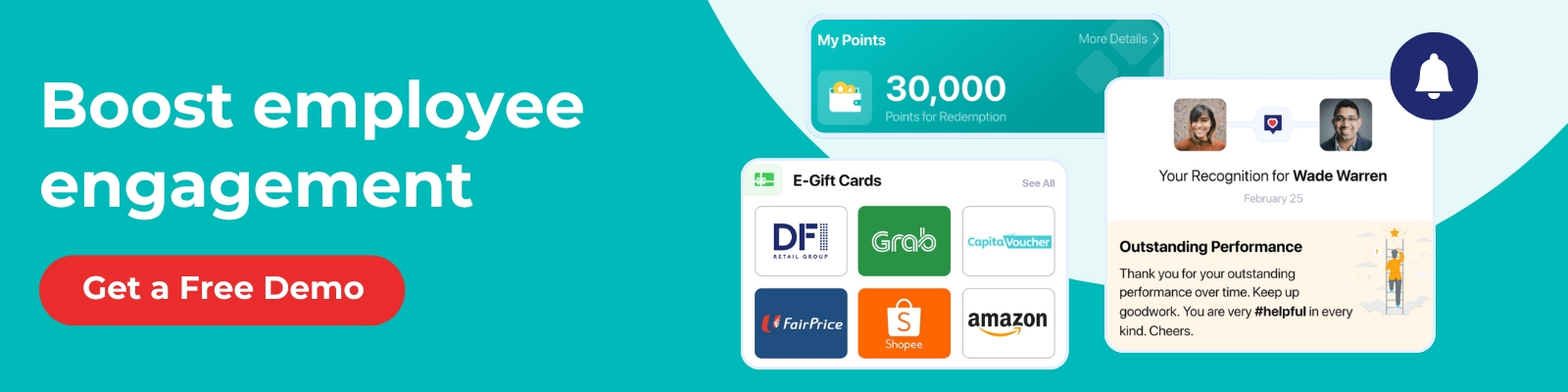
Building this into daily habits is easier with the right platform behind it. CERRA Applause supports personalised appreciation, peer recognition, points-based rewards, nominations, milestones and employee engagement communications, all in one place. Its analytics give HR teams real visibility into participation and recognition patterns, so you can see what’s working rather than guessing.
See how CERRA Applause can help build a culture of continuous recognition. Reach out to our team today.