Employee incentive programmes are structured systems that motivate employees to perform, contribute, and grow alongside the organisation. Historically, these programmes revolved around annual bonuses or end-of-year gifts. Today, that model is being replaced by something more powerful: continuous recognition built into the everyday fabric of work.
The shift reflects a clearer understanding of what actually drives engagement. When employees feel valued regularly, not just at appraisal time, productivity improves, retention strengthens, and company culture becomes something people genuinely want to protect and contribute to. Organisations that invest in recognition consistently see the impact ripple across the entire employee experience.
What Are Employee Incentive Programs?
Employee incentive programmes are structured initiatives designed to motivate employees by linking rewards to performance, behaviour, milestones, culture, or goals. They give people a clear, consistent reason to invest in the organisation’s success beyond simply fulfilling a job description.
It helps to distinguish a few related terms. An incentive is forward-looking: it encourages a desired future behaviour. A reward is retrospective: it acknowledges something already achieved. Recognition, meanwhile, is about valuing the person, not just the output. The strongest programmes weave all three together rather than treating them as separate initiatives. When they’re aligned, employees feel motivated, appreciated, and connected to something larger than their individual role.
Monetary incentives include bonuses, commissions, and profit sharing. Non-monetary incentives cover flexible work, learning opportunities, and additional leave. Increasingly, recognition-led models built on continuous, peer-driven appreciation are proving just as effective, and often more so, than financial rewards alone. The best approach typically blends both, tailored to what your workforce actually values.
Why Employee Incentive Programs Matter
Improve Employee Engagement
Incentive programmes create a feedback loop where effort is noticed and valued, encouraging people to stay invested in their work. When recognition is consistent, it becomes part of the everyday experience rather than an occasional pleasant surprise. Engaged employees don’t just show up, they actively contribute ideas, support their colleagues, and care about the outcomes they’re responsible for.
Increase Productivity and Performance
Recognition tied to clear goals signals what great performance looks like. When people know their contributions will be acknowledged, they’re more motivated to push further, lifting individual and team output alike. Establishing that connection between effort and appreciation is one of the simplest ways to sustainably drive performance.
Strengthen Employee Retention
When recognition is missing, people start to leave, and the cost of turnover quickly adds up. Employees who feel genuinely appreciated are far less likely to look elsewhere. Incentive programmes build a sense of belonging and purpose that’s difficult to replicate at another organisation, making them one of the most cost-effective retention tools available to HR teams today.
Reinforce Company Culture
Incentives tied to company values make culture visible and actionable. When an employee receives recognition for demonstrating integrity, innovation, or collaboration, it signals to the entire team what behaviour matters here. Repeated consistently, this shapes how people work and treat each other every day. Culture stops being a poster on the wall and starts showing up in how decisions are made and how people are treated.
Encourage Collaboration and Teamwork
Peer-to-peer recognition builds stronger working relationships by removing the hierarchical filter and creating a culture of mutual respect. When colleagues can appreciate each other directly, it fosters trust across teams and removes the sense that recognition is a scarce, manager-controlled resource. Companies are increasingly adopting scalable digital recognition systems to support exactly this kind of cross-team engagement.
Types of Employee Incentive Programs
Monetary Incentives
Performance bonuses, profit sharing, sales commissions, and spot bonuses work best when tied to specific, measurable outcomes. Transparency is critical here: employees need to understand exactly how these rewards are earned and distributed to trust that the system is fair. When monetary incentives feel arbitrary or inconsistent, they lose their motivational power quickly.
Non-Monetary Incentives
Public recognition, flexible work arrangements, extra leave, and learning opportunities often resonate more deeply than a one-off payment. These incentives communicate that the organisation values people as whole human beings, not just as workers. For many employees, particularly those with caregiving responsibilities or at later career stages, they carry more lasting meaning than financial rewards.
Peer-to-Peer Recognition Programmes
Recognition is no longer a manager-only responsibility. Peer-to-peer programmes allow employees to appreciate colleagues in real time, making recognition more frequent, more genuine, and more culturally embedded. This shift matters because managers simply can’t see everything. Peers often witness the extra effort, the late problem-solving session, or the quiet support that goes unnoticed from above. This is where tools like CERRA Applause naturally fit, enabling teams to celebrate each other in the moments that matter most.
Wellness and Lifestyle Incentives
Wellness benefits, mental health support, and fitness rewards demonstrate that employee wellbeing is a genuine organisational priority. These programmes reduce burnout, build resilience, and signal that the organisation’s care extends well beyond the role itself. In a world where burnout is increasingly common, this category is growing in both relevance and impact.
Career Development Incentives
Certifications, upskilling budgets, mentorship access, and learning rewards invest in an employee’s long-term future. When people see that their employer is genuinely committed to their growth, loyalty tends to follow naturally. These incentives are particularly effective for high performers and early-career employees who weigh progression opportunities when deciding where to stay.
Team-Based Incentive Programmes
Collaborative targets, team milestones, and cross-functional rewards encourage departments to work together rather than compete internally. Referral incentives, innovation challenges, anniversary awards, and attendance incentives also sit comfortably here, reinforcing collective effort and shared accountability. When a team is recognised together, it builds camaraderie and a shared sense of pride that individual rewards simply can’t replicate.
Also read: 27 Employee of the Month Ideas and Examples for Better Workplace Recognition
25 Employee Incentive Program Ideas
- Peer recognition points: Employees earn and give points for recognising colleagues, redeemable for rewards. Builds a habit of continuous, everyday appreciation across the team. Example: A customer support rep earns points every time a colleague credits them for resolving a difficult case, then redeems them for a weekend experience.
- Instant spot awards: Immediate recognition for standout moments. Timely acknowledgement is far more impactful than delayed or infrequent praise. Example: A manager sends a digital spot award to an engineer who fixed a critical bug overnight, visible to the whole team.
- Employee milestone celebrations: Personalised rewards for work anniversaries and personal milestones. Shows long-tenure employees that their commitment is genuinely seen and valued. Example: A five-year anniversary is marked with a personalised video from the leadership team and a curated reward from the employee’s wishlist.
- Wellness challenges: Step competitions, mindfulness streaks, or health goals tied to incentives. Supports wellbeing while building team camaraderie in a fun, low-pressure way. Example: Teams compete in a monthly steps challenge with the winning department receiving a shared wellness voucher.
- Learning achievement rewards: Recognise course completions or certifications. Reinforces a growth mindset and signals that development is something the organisation actively celebrates. Example: An employee who completes a project management certification receives a digital badge, a LinkedIn shoutout, and a bonus learning credit for their next course.
- Innovation contests: Reward employees who pitch winning ideas. Surfaces creativity and gives people a real voice in how the business evolves. Example: A quarterly “ideas sprint” invites anyone in the company to submit process improvement proposals, with the top three receiving cash awards and implementation support.
- Team achievement incentives: Celebrate when a team hits a collective target. Shared wins strengthen relationships and set the tone for future collaboration. Example: When the product team ships a release on time and under budget, the entire group receives a team dinner budget and a public shoutout in the all-hands meeting.
- Flexible work rewards: Additional remote days or adjusted hours as a performance incentive. Flexibility consistently ranks among the most valued benefits in today’s workforce. Example: Top performers in a given quarter earn an extra two remote days per week for the following month.
- Employee referral bonuses: Reward employees who bring in quality candidates. Reduces recruitment costs and improves cultural fit from day one. Example: An employee who refers a candidate who passes probation receives a tiered cash bonus, with a higher amount for hard-to-fill roles.
- Sales competitions: Leaderboards and milestone-based bonuses keep sales teams motivated and engaged beyond standard commission structures. Example: A “first to close” challenge runs each quarter, where the first rep to hit their target wins a weekend travel voucher in addition to their commission.
- Recognition leaderboards: Showcase who’s giving and receiving recognition across the organisation. Healthy visibility encourages broader participation and normalises appreciation. Example: A monthly leaderboard displayed on the company intranet highlights the top recognition givers, reinforcing that celebrating others is valued just as much as being celebrated.
- Culture value awards: Celebrate employees who exemplify company values in action. Makes culture tangible rather than merely aspirational. Example: Each quarter, employees nominate a colleague who best demonstrated a core value such as “customer first” or “own it.” The winner is announced at the company all-hands with a meaningful reward.
- Volunteer and CSR incentives: Reward employees for community involvement. Supports a purpose-driven culture and attracts values-aligned talent. Example: Employees who complete a set number of volunteer hours each year receive an additional day of paid leave and a charitable donation made in their name.
- Manager appreciation initiatives: Peer and upward nominations for exceptional leadership strengthen the entire management layer and reinforce great people management practices. Example: Employees nominate managers who have supported their growth, with winners recognised in a leadership newsletter and given a development experience of their choice.
- Birthday and anniversary rewards: Personalised recognition for personal milestones shows that the organisation sees the person, not just the role they fill. Example: On an employee’s birthday, they receive a personalised message from their manager and a reward credit to spend on whatever they choose.
- Home office and remote work stipends: Provide employees with a budget to improve their home working environment. This is especially meaningful for distributed or hybrid teams where comfort and productivity are directly linked. Example: Remote employees receive an annual stipend to spend on equipment, ergonomic furniture, or a co-working space membership.
- Employee spotlight features: Regularly showcase individual employees across internal channels or the company newsletter. Being seen and celebrated publicly builds confidence and signals that every contribution has value. Example: A rotating “employee spotlight” is published each week on the company intranet, sharing the person’s story, role, and a recent win nominated by a colleague.
- Cross-department project incentives: Reward employees who contribute meaningfully to projects outside their core team. This encourages knowledge sharing, breaks down silos, and creates a more connected organisation. Example: Employees who participate in a cross-functional task force receive a recognition award at the project close, regardless of outcome.
- Long-service awards: Go beyond standard anniversary gifts to create genuinely memorable moments for employees who reach significant tenure milestones such as ten, fifteen, or twenty years. Example: A twenty-year milestone is celebrated with a personalised gift, a written tribute from the CEO, and an optional sabbatical week.
- Company trip and retreat rewards: Offer high-performing teams or individuals an experiential reward such as a team offsite, a travel experience, or access to an industry event. Example: The top-performing region each year attends a two-day offsite retreat that combines strategy sessions with team experiences.
- Nomination-based peer awards: Create a structured programme where employees vote for colleagues across categories such as “best collaborator” or “most helpful.” Peer-voted awards carry a different weight than manager-assigned ones because they reflect genuine team sentiment. Example: A monthly peer vote surfaces winners across five categories, with results announced at the team meeting and rewards delivered the same day.
- Professional conference and event access: Reward employees by funding attendance at industry conferences, workshops, or seminars relevant to their role. It signals investment in their professional development while expanding the organisation’s knowledge base. Example: High performers are given a conference budget each year to attend an event of their choice, with the expectation of sharing key takeaways with the team on their return.
- Personalised thank-you notes from leadership: A handwritten or thoughtfully composed personal note from a senior leader can have a disproportionate impact on how valued an employee feels. It takes minutes but creates a lasting impression. Example: The CEO sends personalised notes to employees nominated by their managers for going above and beyond, with a specific mention of what they did and why it mattered.
- Gamified performance challenges: Introduce game mechanics such as levels, badges, streaks, and leaderboards to make everyday performance goals more engaging and visible. Example: A customer service team tracks daily resolution scores on a shared dashboard with badge milestones for streaks of positive feedback, creating friendly competition and a clear sense of progress.
- Sabbatical or extended leave rewards: Offer longer-tenure employees the option of a paid or partially paid sabbatical as a reward for sustained contribution. This is a powerful retention tool that also allows employees to return refreshed and re-energised. Example: Employees who reach seven years with the organisation are offered a four-week sabbatical to use within the following year, fully paid, with no expectation to remain connected to work.
Best Practices for Building an Effective Employee Incentive Program
Align Incentives with Business Goals
Rewards should reflect what the organisation is genuinely trying to achieve. If innovation is a strategic priority, reward it visibly and consistently. If retention is the focus, recognise loyalty and long-term contribution with the same energy as hitting a sales target. Clarity here is foundational.
Personalise Rewards
Give employees real choices. A catalogue spanning experiences, digital gift cards, and charitable donations ensures every reward feels relevant and meaningful to the person receiving it. One-size-fits-all approaches may look fair on paper, but they routinely fail because different people are motivated by very different things.
Make Recognition Frequent
Annual reviews are too infrequent to sustain motivation. Build regular touchpoints where employees are recognised for everyday contributions, not just exceptional ones. The goal isn’t to manufacture praise, it’s to make acknowledgement a natural part of how your teams communicate. Start small. Recognise often.
Encourage Peer Participation
Peer recognition scales what managers cannot do alone. When the whole team can give appreciation, recognition becomes a cultural norm rather than a top-down programme obligation. Broad participation also surfaces contributions that leadership might otherwise never see.
Track Engagement and Performance
Use data to understand who’s being recognised, how often, and for what behaviours. This reveals participation gaps, highlights patterns worth celebrating, and gives HR teams the evidence they need to iterate and improve. Without visibility into the data, it’s easy to assume a programme is working when parts of the organisation are being left behind.
Use a Centralised Recognition Platform
A single platform delivers consistency, visibility, and efficiency across the entire organisation. It removes the friction of multiple disconnected tools and ensures every employee, regardless of location, seniority, or team, has an equal experience of the programme.
How CERRA Applause Helps Companies Build Better Employee Incentive Programs
CERRA Applause enables employees to recognise each other directly and in real time, for any contribution worth celebrating. Recognition is no longer filtered through management layers or saved for formal review cycles, so the moments that matter are captured when they happen.
Real-Time Appreciation Culture
Appreciation happens in the moment it’s earned. CERRA Applause supports a continuous recognition culture rather than periodic, reactive praise that often arrives too late to land with full impact.
Automated Milestone Celebrations
Work anniversaries, birthdays, and tenure milestones are recognised automatically, removing administrative burden from HR teams while preserving the personal touch that makes recognition feel warm rather than generic.
Digital Rewards and Incentives
With access to thousands of digital reward options, employees can choose what genuinely motivates them, from gift cards and experiences to charitable donations and lifestyle rewards. Meaningful choice makes rewards feel personal rather than transactional.
Scalable Multi-Country Recognition Programmes
Managing rewards across markets can be complex. Budgets are tight, and consistency is hard to maintain at scale. CERRA Applause supports multi-currency, multi-language recognition across the entire organisation, making consistency achievable wherever employees are based.
With CERRA Applause by Rewardz, organisations can create meaningful employee incentive programmes that combine recognition, rewards, and engagement in a single, easy-to-use platform.
Also read: Employee Recognition Budget: How to Plan and Maximise Every Dollar
Ready to Modernise Your Employee Incentive Programme?
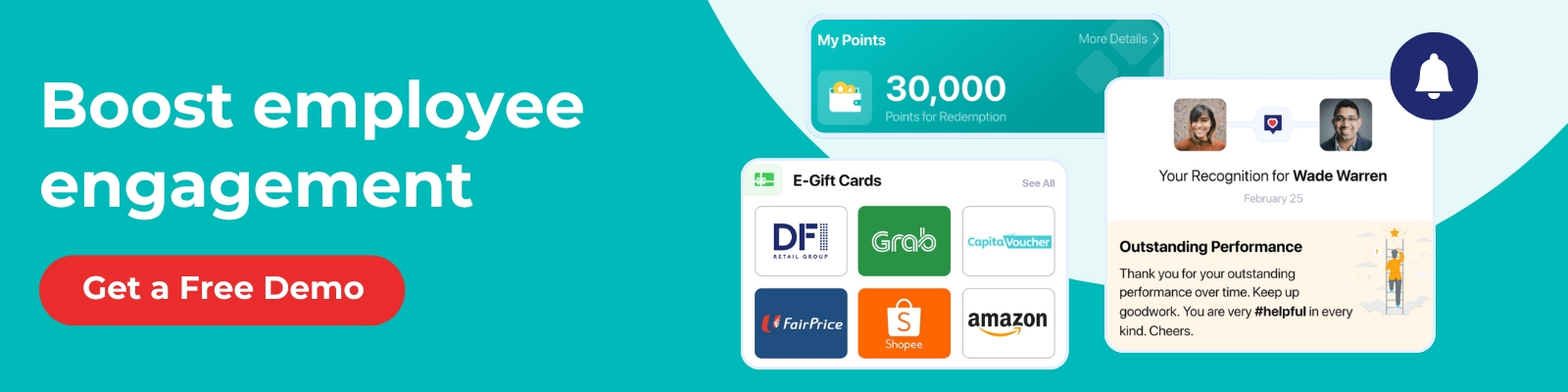
Employee expectations are evolving, and the bar has risen. A once-a-year bonus and a generic thank-you email are no longer enough to build the kind of engagement organisations need to attract and retain great people. Recognition should be continuous, personalised, and accessible to every employee, regardless of where they work or what level they’re at.
Modern platforms make this achievable at scale, without adding pressure to already stretched HR teams. The organisations that invest in recognition-first incentive programmes today will be the ones with stronger cultures, lower attrition, and more motivated teams tomorrow.
Looking to create a more engaging and recognition-driven workplace? Fill the form below to start a conversation and explore how CERRA Applause by Rewardz helps organisations build effective employee incentive programmes that employees genuinely value.