Work performance is more than hitting targets. It’s about how effectively employees use their skills, time, and energy to contribute to the organisation’s goals. When performance is strong across a team, the results show up everywhere: in productivity, morale, customer satisfaction, and retention.
Why does improving performance matter so much? Because organisations that don’t actively support it tend to see disengagement creep in. Research consistently shows that disengaged employees cost businesses billions in lost productivity each year. The good news is that most of the factors behind poor performance are within your control.
Several things influence how well employees perform: leadership quality, clarity of expectations, access to development, recognition, and workload. Improving performance means addressing these systematically, not just focusing on output alone.
What Causes Poor Work Performance?
Before introducing solutions, it helps to understand what’s getting in the way.
Lack of Clear Expectations
Employees can’t perform well when they’re unsure what’s expected of them. Without defined goals and clear priorities, people fill the gap with their best guess, which often doesn’t align with what the business actually needs.
Insufficient Feedback
Many organisations still rely on annual reviews as their primary feedback mechanism. But a once-a-year conversation can’t course-correct behaviour throughout the year. Without regular input, employees continue patterns that may not be serving them or the team.
Low Motivation and Engagement
Motivation isn’t just about pay. Employees who don’t feel connected to their work or their team quickly become disengaged. Once that happens, performance tends to plateau or decline.
Also read: The True Cost of Disengaged Employees and The Warning Signs
Skills and Knowledge Gaps
Roles evolve quickly. If employees aren’t supported with relevant learning opportunities, they’ll struggle to keep up with changing demands and growing expectations.
Burnout and Workplace Stress
High workloads without adequate recovery time lead to burnout. Burnt-out employees aren’t just less productive; they’re also more likely to make mistakes and, eventually, leave.
Feeling Undervalued at Work
When contributions go unnoticed, people stop going the extra mile. It’s not about ego; it’s about basic human need for acknowledgement. Feeling invisible at work is one of the most common reasons employees disengage.
Strategies to Improve Employee Performance
Improving employee performance requires more than asking people to work harder. High-performing organisations create the right conditions for employees to succeed by providing clarity, support, recognition, and opportunities for growth. The following strategies can help employees perform at their best while building a more engaged and productive workforce.
1. Set Clear Goals and Expectations
Align Individual Goals with Business Objectives
Employees perform better when they understand how their work contributes to broader business goals. Connecting individual responsibilities to organisational priorities helps create purpose and focus.
Define Success Metrics
Set clear and measurable expectations so employees know what success looks like. Specific goals reduce ambiguity and provide a benchmark for performance.
Review Progress Regularly
Regular check-ins help track progress, address challenges early, and keep goals aligned with changing priorities. Consistent reviews also reinforce accountability and continuous improvement
2. Provide Frequent Feedback and Coaching
Move Beyond Annual Performance Reviews
The annual review has its place, but it can’t carry the full weight of performance management. Regular one-to-ones and informal check-ins give employees the guidance they need in real time, not six months after the fact.
Encourage Two-Way Feedback
Feedback should flow in both directions. When managers invite input from their teams, they surface issues earlier and build a culture of openness. Employees who feel heard are far more likely to stay engaged.
Turn Feedback into Action Plans
Feedback only works if it leads somewhere. After every meaningful performance conversation, agree on specific next steps. What will change? By when? Who’s responsible? This turns words into action.
3. Recognise and Reward Good Performance
Why Recognition Drives Better Performance
Recognition signals to employees that their efforts matter. When people know their work is noticed, they’re more likely to repeat the behaviours that led to that recognition. It’s a straightforward cycle, but it’s remarkably effective.
The Link Between Recognition and Employee Motivation
Motivation doesn’t sustain itself in silence. Gallup and Workhuman research has shown that employees who receive regular recognition are significantly more engaged and less likely to look for opportunities elsewhere. Recognition, when done well, becomes a performance driver in its own right.
Building Recognition into Everyday Work
Recognition doesn’t have to be a formal event or a quarterly prize. It can be a short message, a mention in a team meeting, or a note from a manager that takes two minutes to write. The key is consistency. Start small. Recognise often.
Also read: Employee Recognition Best Practices for Creating a Culture of Appreciation
4. Invest in Employee Learning and Development
Identify Skill Gaps
Conduct regular skills assessments to understand where gaps exist, both individually and across teams. This doesn’t have to be complex; a simple conversation can reveal a lot about where someone feels under-equipped.
Create Continuous Learning Opportunities
Learning doesn’t only happen in formal training programmes. Peer learning, stretch assignments, mentoring, and access to online resources all contribute to growth. The goal is to make learning part of everyday work, not an occasional event.
Support Career Growth
Employees who can see a future at your organisation are more motivated to perform well today. Have honest conversations about career aspirations and create tangible pathways for progression.
5. Improve Communication and Collaboration
Foster Open Communication
Performance suffers when people feel they can’t speak up. Build an environment where employees feel safe to raise concerns, share ideas, and flag challenges without fear of negative consequences.
Strengthen Team Collaboration
Teams that work well together outperform those that don’t. Invest in shared rituals, clear roles, and collaborative tools that make it easier for people to work across functions and time zones.
6. Help Employees Manage Time Better
Reduce Unnecessary Meetings
Meetings have their place, but too many of them are the single biggest drain on employee productivity. Audit your meeting culture. Could this be an email? A shared document? Protecting focus time is one of the most direct ways to improve output.
Encourage Better Time Management
Offer practical support for time management: frameworks, tools, and conversations about how people structure their days. Small adjustments here compound over time into significant performance gains.
7. Support Employee Wellbeing
Promote Work-Life Balance
Flexibility isn’t just a perk; it’s a performance enabler. Employees who can balance professional demands with personal responsibilities tend to be more focused, resilient, and committed when they are at work.
Create a Healthy Work Environment
Physical and psychological safety both matter. Whether that means ergonomic workspaces, mental health support, or simply a culture where people treat each other with respect, the environment you create directly shapes the performance you get.
8. Build a Culture of Continuous Improvement
Encourage Ownership and Accountability
Performance cultures thrive when employees feel genuine ownership over their work. That means giving people autonomy, trusting their judgement, and holding them accountable in a way that’s supportive rather than punitive.
Celebrate Progress and Milestones
It’s easy to move straight to the next target without acknowledging what’s been achieved. Take time to celebrate milestones, both big and small. Progress that goes unacknowledged loses its motivational power.
Create Opportunities for Innovation
Encourage employees to question existing processes and suggest improvements. Teams that feel empowered to innovate tend to be more engaged and more effective. Even small process improvements, repeated across a team, add up to meaningful gains.
How Employee Recognition Improves Work Performance
Recognition deserves its own spotlight because its influence on performance runs deeper than most organisations realise.
Reinforces Positive Behaviours
When a behaviour is recognised, it’s more likely to be repeated. Recognition essentially tells employees: this is what good looks like. Over time, this shapes the patterns and habits that define a high-performing team.
Increases Employee Engagement
Engaged employees are more productive, more creative, and more likely to stay. Recognition is one of the most reliable drivers of employee engagement, particularly when it’s timely, specific, and tied to values or behaviours that matter to the organisation.
Strengthens Workplace Culture
Culture is built through repeated moments, not grand gestures. Every time a manager recognises a team member, or a colleague appreciates a peer, it reinforces the kind of workplace you’re trying to build. These moments accumulate into something much larger than any individual interaction.
Create a Recognition-Driven Culture for Long-Term Success
Improving work performance is a sustained effort, not a one-off initiative. It requires clear goals, regular feedback, ongoing development, strong communication, and genuine care for employee wellbeing. None of these strategies work in isolation; they reinforce each other.
Of all the levers available, recognition may be the most underused. It costs less than most performance initiatives and delivers results across engagement, retention, and output. Building recognition into the everyday rhythm of work is one of the highest-return investments an organisation can make.
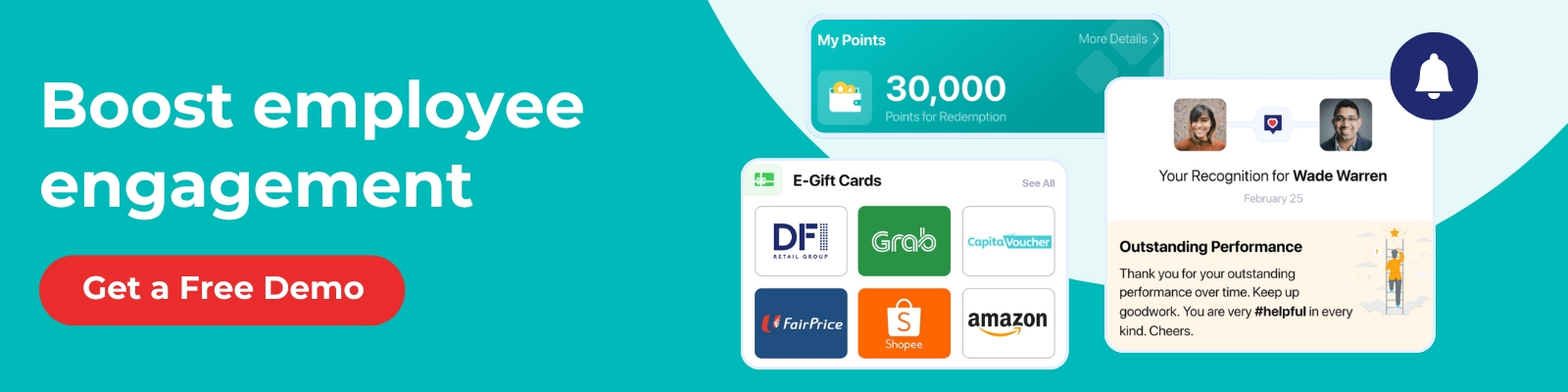
Building a culture of recognition across large or distributed teams can be challenging without the right tools. CERRA Applause makes recognition easy with real-time appreciation from managers and peers, helping reinforce positive behaviours when they matter most. By linking recognition to company values, organisations can strengthen culture while encouraging high performance. Employees can also choose from a flexible rewards catalogue, making recognition more meaningful and personal. Together, these features help create a workplace where employees feel valued, motivated, and inspired to do their best work.
Ready to improve employee performance through meaningful recognition? Reach out to our team to discover how CERRA Applause can help you build a more engaged, motivated, and high-performing workforce.