Most organisations understand that employee engagement influences retention, productivity, and workplace culture. However, today’s employees expect more than occasional perks or one-off initiatives. They want meaningful workplace experiences that help them feel valued, connected, and supported throughout their employee journey.
According to Deloitte, organisations are increasingly focusing on workforce experience, recognising that engagement is shaped by everyday interactions, from recognition and communication to career development and wellbeing support.
The challenge many HR teams face isn’t a lack of effort. It’s a lack of consistency. Engagement initiatives are often delivered as standalone activities, such as surveys, team events, or recognition campaigns, without a long-term strategy to connect them. While these efforts may generate short-term participation, they rarely lead to lasting engagement.
A successful employee engagement program brings these elements together into a continuous, structured approach that strengthens employees’ connection to their work, colleagues, and organisation.
What Is an Employee Engagement Program?
An employee engagement programme is a structured, ongoing strategy designed to build connection, motivation, and satisfaction across the workforce. It differs from a one-off engagement activity in both scope and intention.
The distinction matters. A team lunch is a moment; a recognition platform is a system. An annual survey measures engagement at a point in time; a structured recognition and rewards programme sustains it across the year. Activities create isolated wins. Programmes create culture.
| Activity | Programme |
| Team lunch | Recognition platform (continuous engagement) |
| Annual survey | Structured recognition and rewards system (long-term strategy) |
Why Employee Engagement Programs Matter
Improve Employee Retention
When recognition is missing, people start to look elsewhere, and the cost of turnover quickly adds up. Engaged employees are more likely to stay, reducing recruitment costs and preserving institutional knowledge.
Increase Productivity
Engaged employees aren’t just satisfied; they’re invested. Research consistently shows that engaged teams outperform disengaged ones, not because they work more hours, but because they bring real effort and care to everything they do.
Strengthen Workplace Culture
Culture is shaped by what gets celebrated. When recognition, collaboration, and growth become part of daily operations, values become lived rather than just stated on a wall.
Reduce Burnout and Disengagement
Burnout builds when people feel unseen, unsupported, or disconnected from purpose. A well-structured programme creates regular touchpoints that help managers spot early signs of disengagement before it escalates.
Improve Employee Experience
Deloitte’s research found that employees are more engaged when organisations meet or exceed their expectations for growth opportunities, wellbeing, and leadership. A well-designed employee engagement program helps strengthen these areas through consistent recognition, meaningful communication, career development, and employee support. When these elements are embedded into the everyday employee experience, engagement becomes more sustainable, and employees are more motivated, connected, and committed to their work.
Also read: What Is Employee Experience? Benefits & Improvement Steps
Key Components of a Successful Employee Engagement Program
Employee Recognition
Recognition is one of the most powerful drivers of motivation. When employees feel seen and appreciated, they’re more likely to stay committed and perform at their best. Recognition needs to be timely, specific, and consistent, not reserved for annual reviews.
Meaningful Rewards
A reward that feels generic rarely motivates. When employees can choose rewards that genuinely matter to them, participation increases and the recognition lands properly.
Communication and Feedback
Engagement is a two-way conversation. Employees want to feel heard, not just surveyed. Regular check-ins, open feedback channels, and visible action on employee input build trust over time.
Career Growth and Development
People stay where they see a future. Offering learning opportunities, mentorship, and clear progression paths signals that the organisation is invested in employees as individuals.
Employee Wellbeing Support
Mental, physical, and financial wellbeing all influence how engaged someone can be at work. Programmes that acknowledge this holistically tend to see stronger, more sustained participation.
12 Employee Engagement Program Ideas That Actually Work
1. Peer Recognition Programmes
Recognition doesn’t have to flow from the top down. When colleagues can appreciate each other’s contributions, it builds a culture of mutual respect and belonging. Peer recognition often carries more meaning because it comes from people who understand the daily work.
Employees who appreciate each other can strengthen team relationships and build a more positive daily culture. Example for this program would be a recognition feed where anyone can highlight a specific teammate contribution.
2. Points-Based Rewards Programmes
Employees earn points for achievements or behaviours and redeem them for rewards of their choice. This drives motivation and scales easily. Organizations can award points for completing training, hitting targets, or demonstrating company values.
3. Employee Appreciation Campaigns
Structured campaigns during key moments create collective energy around recognition. For example: themed daily prompts during Employee Appreciation Week to encourage team-wide participation.
4. Employee of the Month Programmes
A classic approach that still works when done well. Link nominations to specific, observable contributions and pair public recognition with a meaningful reward.
5. Work Anniversary Recognition
Milestone moments matter. Acknowledging work anniversaries with personalised messages and rewards shows employees their tenure is valued, and a thoughtful acknowledgment at one, three, or five years can make a lasting impression.
6. Team Achievement Awards
Recognise collective wins, not just individual performance. When teams are celebrated together, collaboration improves and shared accountability grows. Example: a quarterly award for the team that best demonstrated a company value.
7. Learning and Development Initiatives
Fund courses, run lunch-and-learn sessions, or provide access to learning platforms. Employees who see investment in their development are more engaged and more loyal. Example: a monthly learning allowance or an internal skills-sharing series.
8. Social and Team-Building Activities
Connection outside of work tasks strengthens relationships that make collaboration easier every day. Example: optional social events, team breakfasts, or virtual coffee catch-ups for distributed teams.
9. Volunteer and CSR Programmes
Giving employees time to contribute to causes they care about builds pride and purpose. Example: company-wide volunteer days with shared reflection afterwards.
10. Employee Feedback Programmes
Regular, lightweight surveys signal that leadership is listening. The key is responding visibly. Example: monthly pulse surveys with a published summary of themes and actions being taken.
11. Employee Referral Rewards
Engaged employees become advocates. A referral programme incentivises them to bring in people likely to thrive in the culture. Example: tiered rewards for referrals that result in a hire and pass probation.
12. Wellness Challenges
Optional challenges around physical activity, mindfulness, or nutrition create connection while supporting health. Example: a step challenge with small team prizes at the end of each month.
Also read: How To Improve Employee Engagement: Key Drivers & Strategy
Common Reasons Employee Engagement Programs Fail
Even well-intentioned employee engagement programs can struggle to deliver results if they’re not designed with employees’ needs and behaviours in mind. Understanding these common pitfalls can help organisations build initiatives that drive meaningful and lasting engagement.
Recognition Happens Too Infrequently
Recognition loses its impact when it’s reserved for annual performance reviews or occasional company events. Employees are more likely to stay engaged when appreciation is timely, visible, and woven into everyday work experiences.
Rewards Are Not Relevant
Not all employees are motivated by the same rewards. A generic reward catalogue can limit participation and reduce the perceived value of recognition. Offering choice and personalisation helps ensure rewards feel meaningful to a diverse workforce.
Managers Are Not Involved
Employee engagement cannot be owned by HR alone. Managers play a critical role in shaping the day-to-day employee experience through communication, feedback, and recognition. Without active leadership support, even the most well-designed programmes can lose momentum.
Employees Cannot Participate Easily
If an engagement programme is difficult to access or requires too many steps to participate, adoption will suffer. Employees are more likely to engage with programmes that are intuitive, convenient, and available wherever they work.
No Measurement or Follow-Up
Collecting feedback and participation data is only the first step. Organisations that act on insights, communicate progress, and continuously improve their programmes are more likely to build trust and sustain engagement over time.
The most successful employee engagement programs are consistent, relevant, easy to participate in, and supported by both leaders and employees. By avoiding these common mistakes, organisations can create a stronger culture of engagement that delivers lasting business impact.
How Technology Helps Build Better Employee Engagement Programs
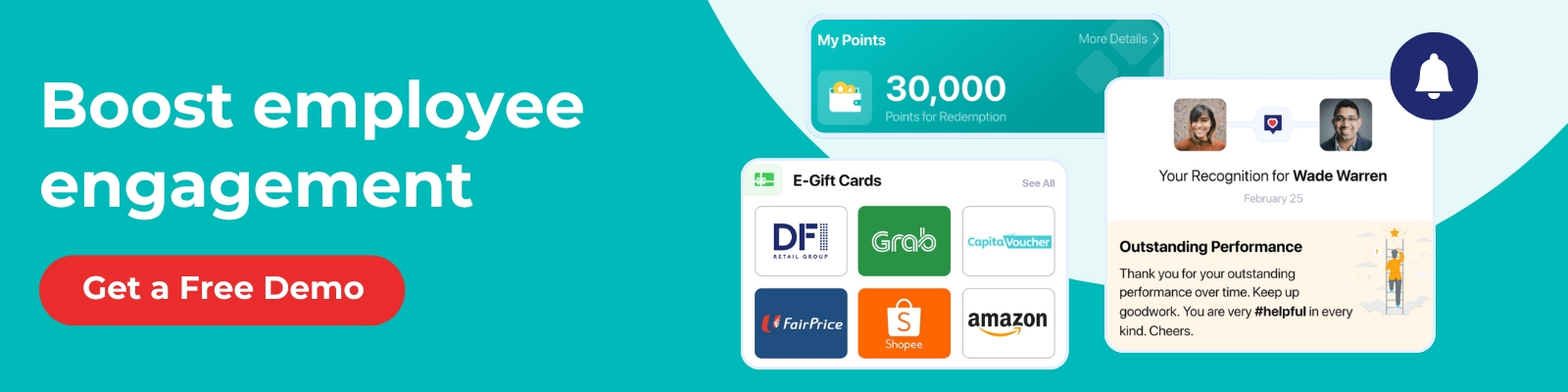
A successful employee engagement program requires more than occasional activities or surveys. It needs consistent recognition, effective communication, meaningful rewards, and measurable outcomes. Technology helps bring these elements together, making engagement easier to manage and more accessible for employees.
CERRA Applause supports employee engagement by combining recognition, rewards, communication, and analytics in a single platform.
Peer Recognition and Appreciation
Employees can send personalised recognition messages, eCards, and reward points to colleagues, making appreciation a regular part of the employee experience rather than a once-a-year event.
Meaningful Global Rewards
With access to over 20,000 reward partners across multiple countries, employees can choose rewards that match their interests and preferences, helping organisations deliver recognition that feels personal and relevant.
Communication and Engagement Tools
Announcements, polls, newsfeeds, and event calendars help employees stay informed, connected, and engaged, while giving organisations a central hub for workplace communication.
Engagement Analytics
Built-in analytics allow HR teams to track participation, recognition activity, and programme performance, providing valuable insights to measure impact and identify opportunities for improvement.
Scalable for Growing Organisations
Whether employees work in one location or across multiple regions, CERRA Applause helps organisations deliver a consistent engagement experience while reducing administrative effort for HR teams.
Build an Employee Engagement Program Employees Want to Participate In
Engagement doesn’t come from one initiative or one good quarter. It comes from building a culture where recognition, communication, development, and meaningful rewards are part of how things work every day.
The most successful programmes are continuous, measurable, and easy to join. Technology helps organisations achieve that without placing additional burden on already stretched HR teams.
If you’re ready to build a programme your employees will actually participate in, book a call with us to see how CERRA Applause works in practice.